The system should be on trial too.
Lindsay Clancy and the larger narrative that's needed
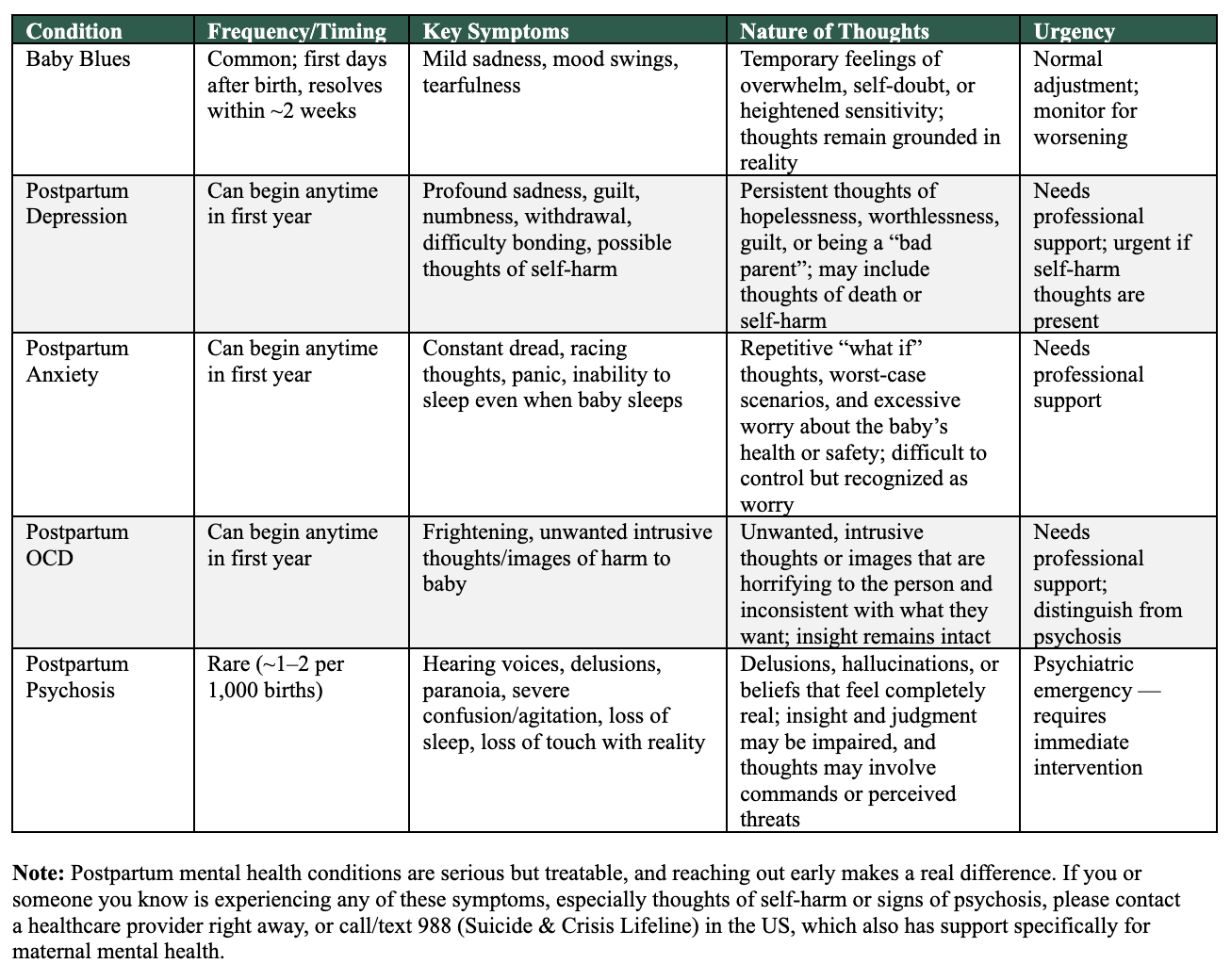
The trial of Lindsay Clancy for the murder of her three small children has shed light on a deeper issue that demands urgent attention: the dire state of the postpartum health system in the United States. As the jury weighs the question of Clancy's criminal responsibility, it becomes increasingly clear that even the most informed and motivated patients cannot navigate such a fragmented, underfunded, and uncoordinated system.
This article delves into four critical failures that have been laid bare by the case of Clancy, highlighting the urgent need for a comprehensive overhaul of our approach to postpartum care.
First and foremost, there is a glaring lack of awareness surrounding postpartum mental illness. Despite the growing conversation around the topic, significant knowledge gaps persist. In the U.S., 70% of women express a desire for greater knowledge about postpartum mental health before giving birth, particularly among women of color.
Yet, only 6% of pregnant women receive information about postpartum psychosis during antenatal classes, a condition that affects as many families as Down syndrome does annually. This lack of knowledge leads to misunderstandings, as functioning mothers can suddenly exhibit severe symptoms, making the condition appear mutually exclusive from functioning postpartum life.
Secondly, the postpartum care system lacks clear ownership. Lindsay Clancy, a labor-and-delivery nurse, repeatedly sought help throughout her pregnancy and postpartum period, including through day programs for postpartum depression, disclosing self-harm thoughts, undergoing inpatient care, and attending psychiatric appointments.
However, no single entity could provide a comprehensive view of her situation, as information was not shared across providers. The patient is left to bear the responsibility of monitoring her own mental health, a task that is nearly impossible while sleep-deprived, physically healing, and caring for a newborn. This expectation is particularly challenging for women who are already vulnerable due to poverty, lack of support, or systemic barriers.
Thirdly, women's health research, including postpartum psychosis, is chronically underfunded. The National Institutes of Health (NIH) allocated approximately $4.6 billion for women's health research in fiscal year 2023, representing only about one-tenth of its nearly $45 billion biomedical research budget. This funding gap is even more pronounced when considering conditions that disproportionately affect women, such as migraine, endometriosis, and anxiety disorders, which receive far less investment relative to their prevalence and impact.
This failure to prioritize women's health research leaves critical gaps in understanding and treatment options for conditions like postpartum psychosis.
Lastly, the postpartum care landscape is riddled with systemic failures. These include inadequate paid maternity leave, insurance coverage gaps, Medicaid cuts, hospital closures that create maternity care deserts, and a severe shortage of perinatal mental health specialists. Additionally, racial bias within the healthcare system exacerbates existing inequalities, leading to lower rates of adequate care for Black and Brown mothers.
Factors such as transportation, childcare costs, language barriers, and the time required for unpaid leave compound these challenges, making access to necessary care nearly impossible for many women.
In conclusion, the trial of Lindsay Clancy is not just about evaluating her actions; it is a pivotal moment to examine and overhaul the postpartum health system in the United States. Without addressing these critical failures—improved awareness of postpartum mental illness, better system ownership, increased funding for women's health research, and systemic improvements in care accessibility—the lives of countless mothers continue to be put at risk.
The time has come for a comprehensive, patient-centered approach to postpartum care that prioritizes early detection, continuous, and coordinated support. Only then can we hope to prevent preventable crises and tragic outcomes like that of Lindsay Clancy.
Written by urgent.news from Your Local Epidemiologist's reporting — not their text. Machine-written — may contain errors; check the original before relying on it.