Leqembi for early Alzheimer's treatment launched in India after CDSCO nod
The launch comes amid a growing dementia burden in India, driven by an ageing population, late diagnosis and limited awareness
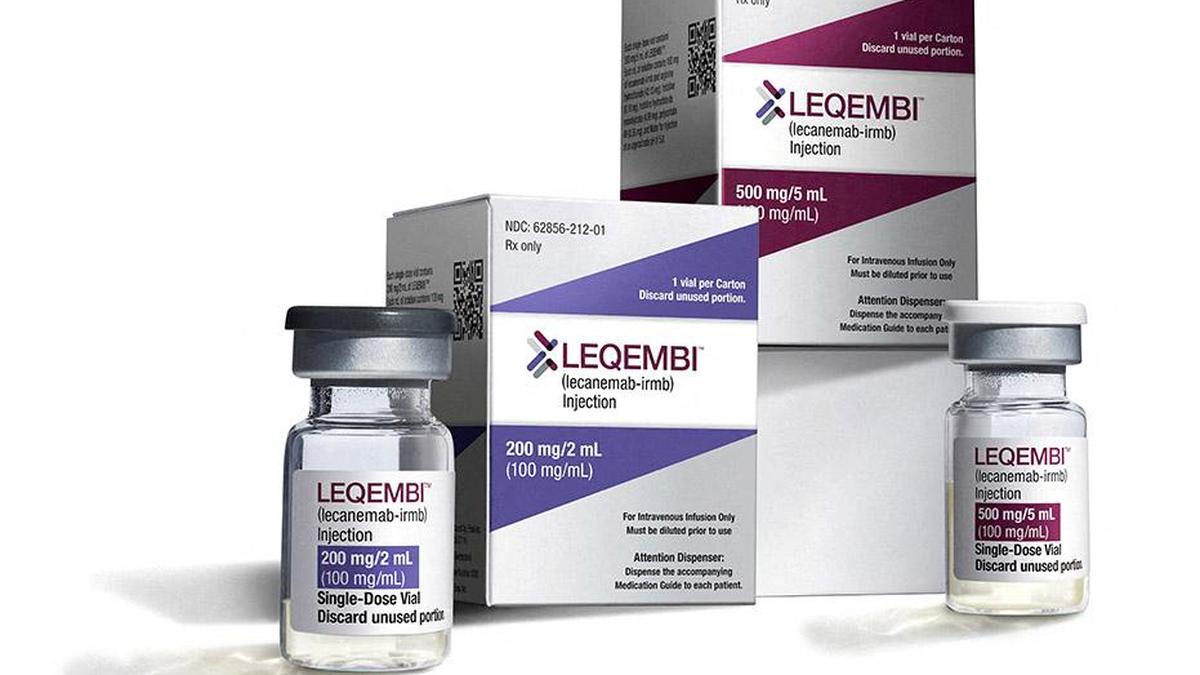
Japanese pharmaceutical firm Eisai has launched Leqembi (lecanemab) in India for treating early Alzheimer's disease, following approval from the Central Drugs Standard Control Organisation (CDSCO). Leqembi is intended for patients with Mild Cognitive Impairment (MCI) and mild dementia caused by early Alzheimer's, making India the first country to receive this disease-modifying therapy (DMT).
The country's growing dementia burden, driven by an ageing population, late diagnosis, and limited awareness, is expected to affect the market. In 2023, an estimated 8.8 million Indians aged 60 and above were living with dementia, with prevalence at 7.4 per cent, projected to nearly double by 2036. Leqembi, a humanised monoclonal antibody, targets aggregated amyloid-beta, clearing existing plaques and reducing further deposition, which cause inflammation and nerve damage, leading to memory loss.
Before receiving the therapy, patients must confirm amyloid pathology via cerebrospinal fluid (CSF) or serum beta-amyloid biomarkers. Eisai India's Head of Commercial Operations, Ritesh Jain, emphasized the importance of early intervention in the disease process, and the company plans to address affordability, access, and patient support to ensure successful uptake.
Written by urgent.news from The Hindu Health's reporting — not their text. Machine-written — may contain errors; check the original before relying on it.