The surveillance system that helped Nigeria curb piracy wants to fight banditry
Falcon Eye, developed by Israeli defence company RTCom Defense, helped Nigeria fight piracy. It is now pushing to join the war on banditry
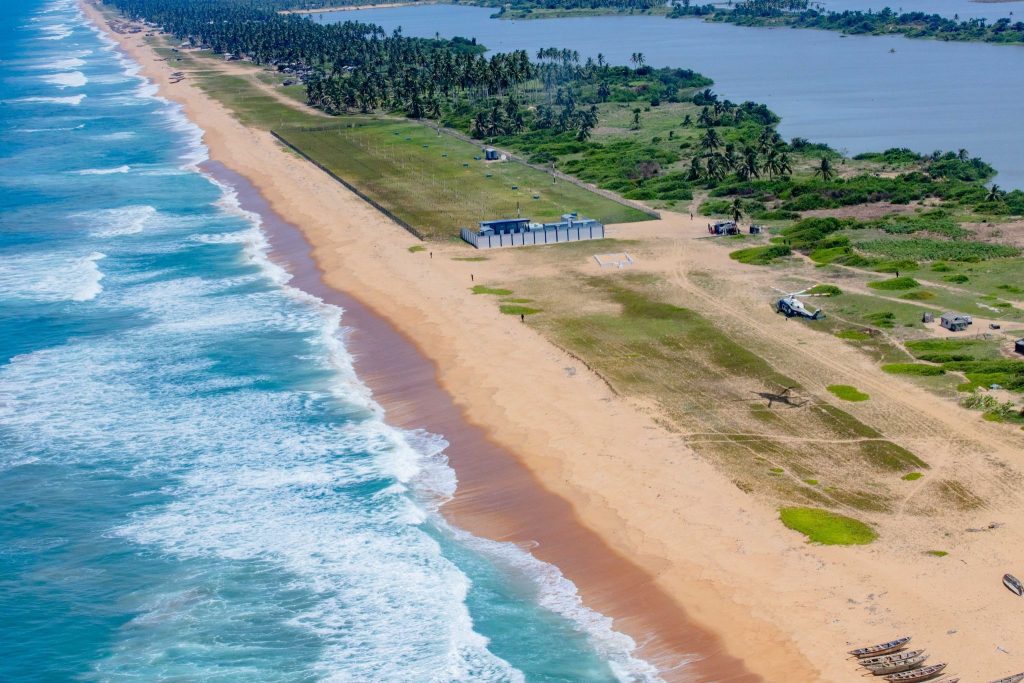
Nigeria's Falcon Eye maritime surveillance system, designed to combat piracy, is now expanding its reach to address banditry and other forms of organized crime. Initially deployed along Nigeria's coastline in 2015, the system combines coastal radar, cameras, satellite feeds, automatic identification systems, and over-the-horizon radar capable of detecting vessels hundreds of kilometers offshore.
This provides the Nigerian Navy with a continuous picture of its waters, enabling mission-oriented operations instead of blind patrols. Nigerian officials estimate that the system has saved the country about $4 billion since its inception by reducing insurance costs, preventing oil theft, and disrupting smuggling and other maritime crimes.
However, the success of Falcon Eye at sea highlights the limitations of the system when applied to the Niger Delta. The inland waterways present a vastly different surveillance challenge due to their dense network of creeks, mangroves, and narrow passages, which obstruct lines of sight and create numerous potential hiding places.
Developing a similar system for land surveillance would require a denser network of sensors and intelligence sources, as bandits can more easily disappear into forests, move between communities, or operate among civilians. Despite these challenges, Ido Shalev, Chief Operating Officer of the system's Israeli developers, believes Nigeria needs such a system.
Shalev argues that simply increasing military hardware is not the answer; the real issue lies in knowing where to deploy security forces. Instead of focusing on expanding Falcon Eye's over-the-horizon radar to the Niger Delta, Shalev proposes a denser network of sensors positioned around waterways, chokepoints, and other strategic locations.
This would enable Nigeria to better monitor and address its persistent security and economic problems, particularly in the Niger Delta.
Written by urgent.news from TechCabal's reporting — not their text. Machine-written — may contain errors; check the original before relying on it.