The Search for Accountability in California's Wildfires
A new report blames Southern California Edison for the Eaton Fire, as the Palisades Fire case heads into its next phase.
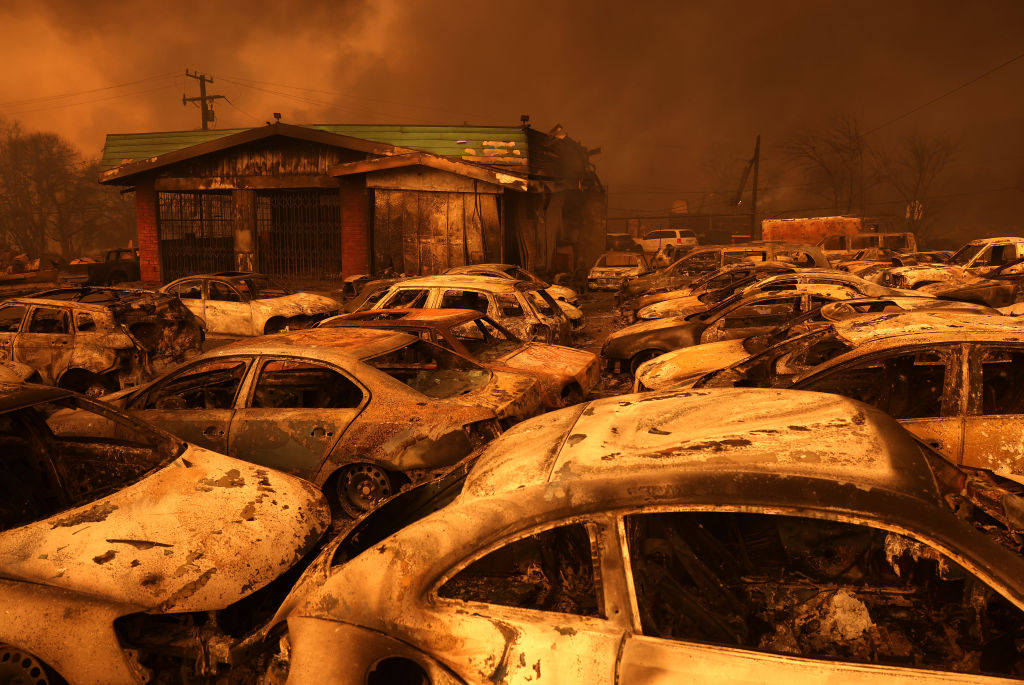
The Los Angeles County Fire Department recently declared Southern California Edison (SoCal Edison) responsible for the Eaton Fire, which struck more than 14,000 acres, destroyed over 9,000 homes and businesses, and took 19 lives in Altadena and Pasadena, California, in January 2025. The investigation concluded that electrical arcing events on an out-of-service SoCal Edison tower sparked the wildfire.
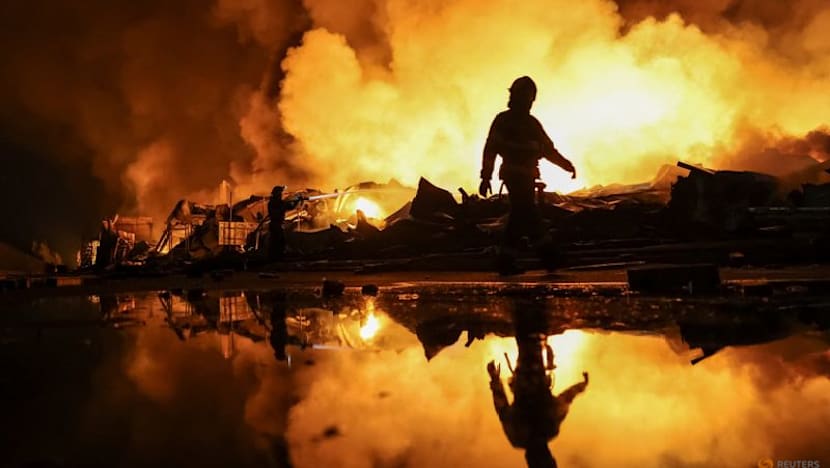
Faulty transmission equipment shed sparks that ignited dry brush surrounding the tower on January 7, and the blaze rapidly spread due to powerful Santa Ana winds and extremely dry conditions. The ensuing monthlong battle tested local firefighters and strained emergency resources as crews battled another fire, the Palisades Fire, which also started on January 7.
Federal prosecutors claim the Palisades Fire was intentionally set, and a suspect, Jonathan Rinderknecht, was identified in October 2025. However, a mistrial was declared in June, and a retrial is set for October. The question remains whether the retrial will provide additional answers for the thousands affected by the blaze. With both cases at a critical juncture, California residents may be awaiting answers and justice for one of the most devastating wildfire events in the state's history.
SoCal Edison confessed its equipment likely caused the Eaton Fire, citing a "fault" detected on one of its transmission lines in January 2025. Kathleen Dunleavy, a SoCal Edison spokesperson, confirmed that the company is reviewing the report and finds it consistent with its previous statements. However, the utility emphasizes that the fire's intensity cannot be attributed solely to the equipment, adding that a fire of such magnitude is rarely caused by a single factor.
SoCal Edison is facing nearly 1,000 lawsuits from affected families and homeowners, leading the company to counter-sue Los Angeles County, local water agencies, and the Southern California Gas Company for failing to warn residents or prevent the fire's spread. The Los Angeles County District Attorney's Office plans to review the latest investigative report and work with authorities to decide if criminal charges are warranted.
As for the arson suspect in the Palisades Fire, federal prosecutors have yet to provide direct evidence linking Jonathan Rinderknecht to the fire's ignition. Instead, they argue that he was present when the fire started and motivated by resentment toward the wealthy residents in the area. In contrast, his defense claims that fireworks were the more probable cause.
One juror expressed doubts about the prosecution's evidence, stating that there wasn't enough proof to convict Rinderknecht. With the retrial scheduled for October, the outcome may offer the next chance for answers and accountability for the victims of the Palisades Fire and their families.
Written by urgent.news from Time's reporting — not their text. Machine-written — may contain errors; check the original before relying on it.