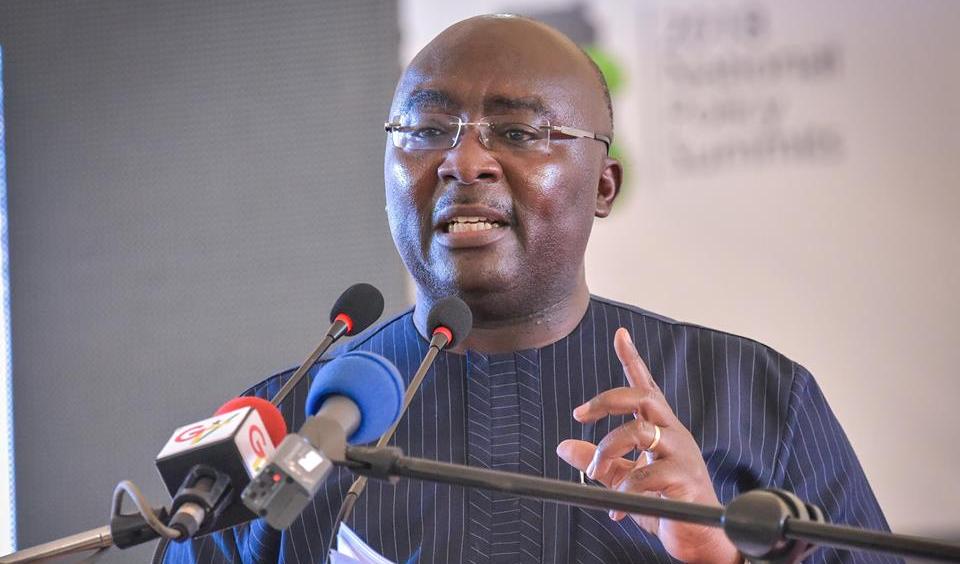
Sybiha’s call to Tehran draws Caspian red line, forces Iran to back down from missile threat
Talks between Ukrainian Foreign Minister Andriy Sybiha and his Iranian counterpart Abbas Araghchi came at a critical time for both nations following Tehran's threats to strike Ukraine with ballistic missiles, as both sides – particularly Iran – urgently required de-escalation, Middle East expert Ihor Semyvolos told Radio NV on August 4.
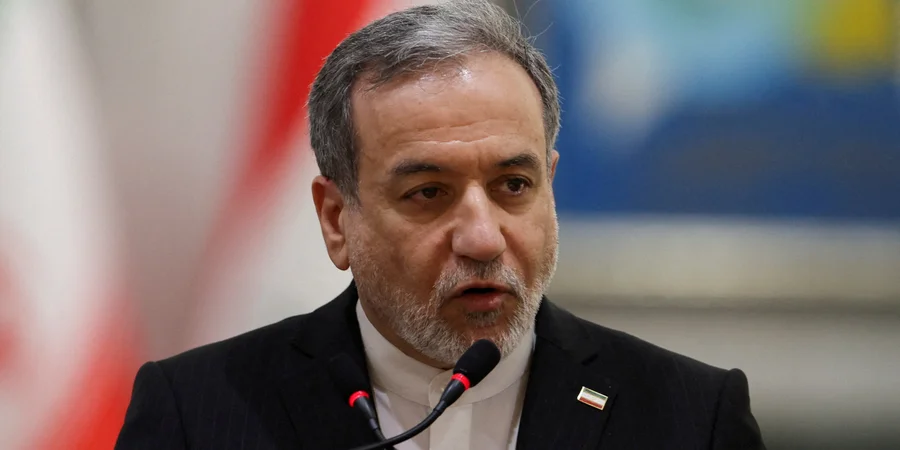
Ukrainian Foreign Minister Andriy Sybiha engaged in a crucial telephone conversation with his Iranian counterpart Abbas Araghchi on August 4, amid escalating tensions between the two nations. The meeting occurred in the wake of Iran's provocative threats to target Ukraine with ballistic missiles, a situation that both nations desperately sought to de-escalate.
Middle East expert Ihor Semyvolos, speaking to Radio NV on August 4, stated that while such threats should always be taken seriously as precautions, it was evident from the outset that Tehran's intent was primarily to coerce European nations, rather than pose a genuine threat to Ukraine's infrastructure. Semyvolos noted that the call between Sybiha and Araghchi served to reinforce Ukraine's right to target vessels carrying weapons between Russia and Iran in the Caspian Sea—a legitimate military target.
The Iranian officials, already embroiled in a protracted conflict with the United States, were keen to avoid further diplomatic or military confrontations, according to Semyvolos. He suggested that engaging with Ukraine could be a costly mistake for Iran, given the potential for retaliation, such as the closure of Iranian Caspian ports.
Ukraine's Security Service reported on July 25 that Ukrainian drones had targeted two cargo ships in the Caspian Sea, both of which were involved in transporting military goods between Iran and Russia. Iran's Ministry of Foreign Affairs condemned the attack on July 25, asserting its right to safeguard national interests and security.
Pro-Iranian media claimed that Ukraine is within Iran's ballistic missile range, particularly in Khorramshahr-4. Araghchi had previously threatened Ukrainian President Volodymyr Zelenskyy on July 26, stating that the strike violated the UN charter and was allegedly orchestrated by Israel to draw Europe into conflict. Iranian parliament's National Security Committee chairman Ibrahim Azizi warned on July 27 that Tehran would not tolerate actions against it, threatening that Ukraine might soon "understand" the consequences of its actions.
Zelenskyy later confirmed Iran's involvement in Russia's war against Ukraine by supplying drones, manufacturing technology, and other weaponry. Ukraine's president emphasized the need to proceed with caution to prevent further military entanglements. On July 28, Sybiha confirmed a phone conversation with Araghchi, stating that Ukraine does not intend to escalate the conflict and that any attack on Iranian citizens or interests would be unacceptable, with the damage to be compensated accordingly.
Written by urgent.news from New Voice of Ukraine's reporting — not their text. Machine-written — may contain errors; check the original before relying on it.