SpaceX Falcon 9 second stage rocket hits the Moon after drifting in space since 2025; NASA tracking impact
While the impact poses no danger to Earth or future lunar missions, it has drawn attention from scientists because such collisions are rare and provide an opportunity to study both lunar geology and the growing challenge of space debris.
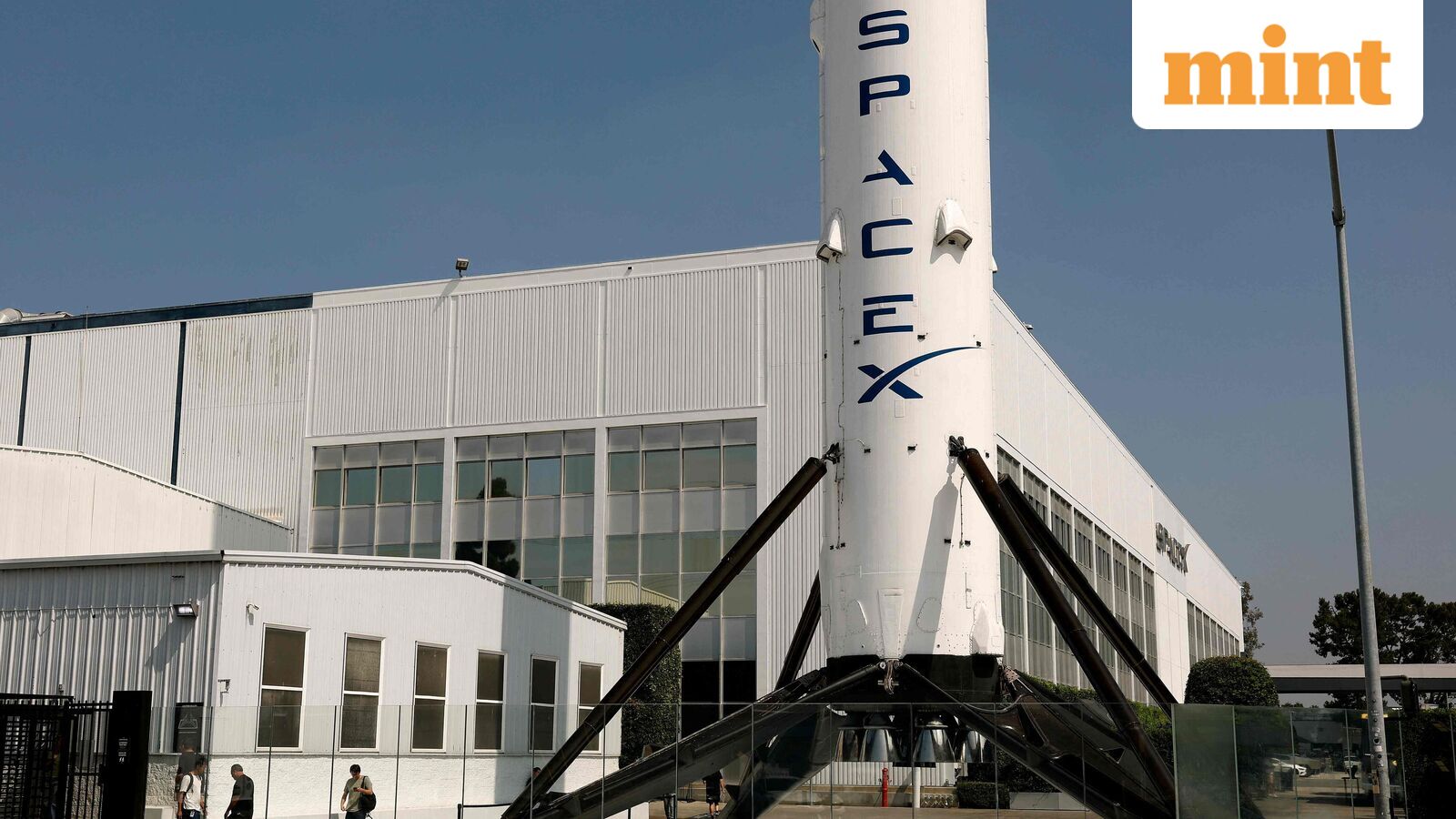
A SpaceX Falcon 9 rocket upper stage crashed into the Moon early Wednesday, August 5, according to NASA tracking. The 4-tonne, roughly bus-sized stage had been in space since January 2025 after completing a lunar mission. Despite having exhausted its fuel and being no longer controlled, the rocket remained in orbit due to the energy requirements of the lunar mission.
It was expected to strike the Moon's northern hemisphere near the craters Einstein and Bell at around 2:35 AM ET. While the impact poses no threat to Earth or future missions, scientists saw it as a rare opportunity to study lunar geology and space debris. Astronomers predicted the collision and determined the stage's orbit would eventually intersect with the Moon's surface.
The collision created a plume of lunar dust and debris, which researchers hoped to observe. NASA, along with South Korea's Pathfinder Lunar Orbiter, planned to photograph the impact site after the collision. Scientists will analyze the images to confirm the impact location and study the crater's size. NASA plans to use these observations to improve tracking space objects and understand how discarded hardware behaves after missions end.
The agency noted that controlled lunar impacts are sometimes an accepted disposal method for spacecraft unable to safely return to Earth. NASA Administrator Jared Isaacman downplayed concerns, emphasizing that such impacts are extremely rare and that the Moon has undergone countless collisions throughout its history.
Written by urgent.news from Live Mint's reporting — not their text. Machine-written — may contain errors; check the original before relying on it.
This story
This is one outlet's version. Read the fullest account.