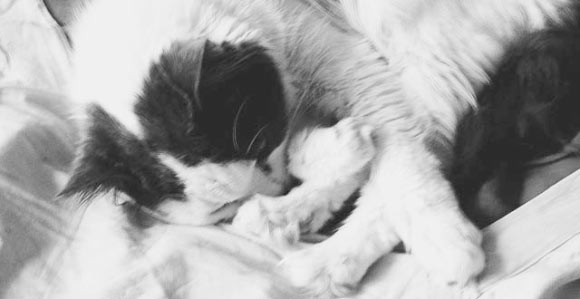
Gene-edited beagles may offer a future option for people with dog allergies
Scientists at a biotech company have used gene editing to create two hypoallergenic beagles that don't trigger allergies Matt Walker couldn’t pet a dog without sneezing – until he and other scientists used a gene editing technique to produce a hypoallergenic beagle named Bailey. Now, he can feed Bailey spoons of peanut butter while she lies on his lap and play fetch with her in Central Park. His…

Matt Walker, a geneticist, was unable to pet a dog without sneezing until scientists employed gene editing to create two hypoallergenic beagles named Bailey and Alfie. Bailey, in particular, now allows Walker to feed her peanut butter, pet her, and play fetch without experiencing allergy symptoms. The allergy-causing proteins in Bailey's saliva and hair have been eliminated, thanks to the Nobel prize-winning Crispr technique used by Kindred Companion Sciences.
However, before these dogs can be widely available for purchase, scientists must monitor their long-term health effects and develop an affordable production method. Critics argue that this could discourage people from adopting stray or rescue animals. While this method could potentially benefit millions with dog allergies, further research is needed to determine its effectiveness and safety for broader human usage.
Written by urgent.news from Guardian Science's reporting — not their text. Machine-written — may contain errors; check the original before relying on it.