Proxima wants to move blood tests into the home, and it has cleared an important early hurdle
Proxima promises 20-minute blood-count results from a finger prick, but its path into the home will depend on clear clinical evidence showing how it compares with conventional laboratory equipment.
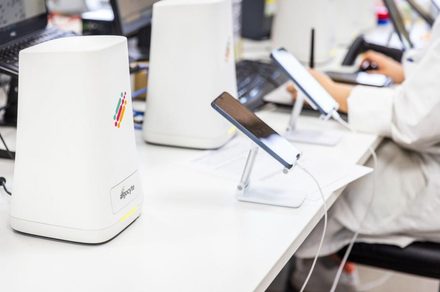
Algocyte's Proxima is a compact hematology analyzer designed to perform blood-count tests using a small finger-prick sample and transmit the results to a physician in roughly 20 minutes. This innovation could potentially reduce the need for patients to visit clinics or laboratories for frequent monitoring. The device has progressed beyond the prototype stage, as it has obtained UK conformity credentials and operates under a certified medical-device quality system.
Proxima is an ultra-portable device capable of measuring various blood markers, including red and white blood cells, platelets, and hemoglobin. A smartphone app manages the device, and AI processes the sample data to generate biological measurements, which are then relayed to a clinician's dashboard. The device is initially intended for use under the supervision of healthcare workers, with home monitoring planned as a long-term objective.
Proxima is classified as a General IVD by the UKCA marking system, and additional conformity work is underway for other potential uses. While the device's credentials demonstrate that formal design and manufacturing processes are in place, they do not independently confirm the accuracy of Proxima's readings compared to conventional laboratory equipment.
As finger-prick testing remains a subject of scrutiny, Proxima's current narrow claim positioning it as a supervised hematology tool rather than a replacement for an entire clinical laboratory is appropriate. The crucial next step will be the presentation of public performance data that compares Proxima's results with established reference analyzers across all claimed markers.
Evidence of test failure rates or the necessity for repeated tests will also be essential. Real-world usage, particularly in home monitoring scenarios, will be equally important. Proxima has overcome several significant early hurdles and is making a cautious claim. Its subsequent milestone should similarly be concrete, with clinical evidence accessible for doctors and patients to evaluate.
Written by urgent.news from Digital Trends's reporting — not their text. Machine-written — may contain errors; check the original before relying on it.