‘Leicester Square, please guv’: Self-driving taxis cleared for London streets ‘later this summer’
Wayve Uber wins first minicab licence for autonomous cabs from TfL but vehicles will have a safety driver (at first) The taxi app company Uber and the autonomous technology developer Wayve have been granted the first minicab licences in London allowing them to offer self-driving taxi rides to paying customers – but with a human safety driver in place, for now. The companies said they would start…
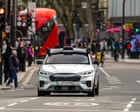
Uber and Wayve have secured the first minicab licenses in London for self-driving taxis, allowing them to offer rides to paying customers with a safety driver initially. The companies aim to launch the service in the UK "later this summer" before a full public launch. Uber, based in San Francisco, and Wayve, based in London, are competing against tech giants Google's Waymo and China's Baidu's Apollo Go for the launch of self-driving taxi services in the capital.
Over 100,000 Londoners are currently on their waiting list for the autonomous taxis. Transport for London (TfL) granted 15 private hire vehicle licences to Ford Mustang Mach-E vehicles equipped with Wayve's artificial intelligence driving software and additional safety equipment. A TfL-licensed private hire driver will remain in the driver's seat during trips to intervene if necessary, though the software is expected to control the car.
The next step involves seeking approval from the government's Driver and Vehicle Standards Agency for driverless operation. TfL emphasized safety as their top priority, aiming to eliminate all deaths and serious injuries from collisions on London's streets by 2041. While the licence approval is welcomed by Wayve for giving Londoners a chance to experience autonomous driving technology, minicab drivers and their union, the GMB, expressed concerns about potential job losses and liability for accidents, calling for extreme caution from TfL.
Driverless taxi services are already operational in several cities worldwide, mainly in the US and China, but US companies have been blocked from operating in China, and vice versa, preventing direct competition.
Written by urgent.news from Guardian Business's reporting — not their text. Machine-written — may contain errors; check the original before relying on it.