PM2.5 pollution associated with increased disease, flare risk in rheumatoid arthritis: Study
The findings underscore the importance for healthcare providers and policymakers to recognise the impact air pollution can have on how one manages the condition
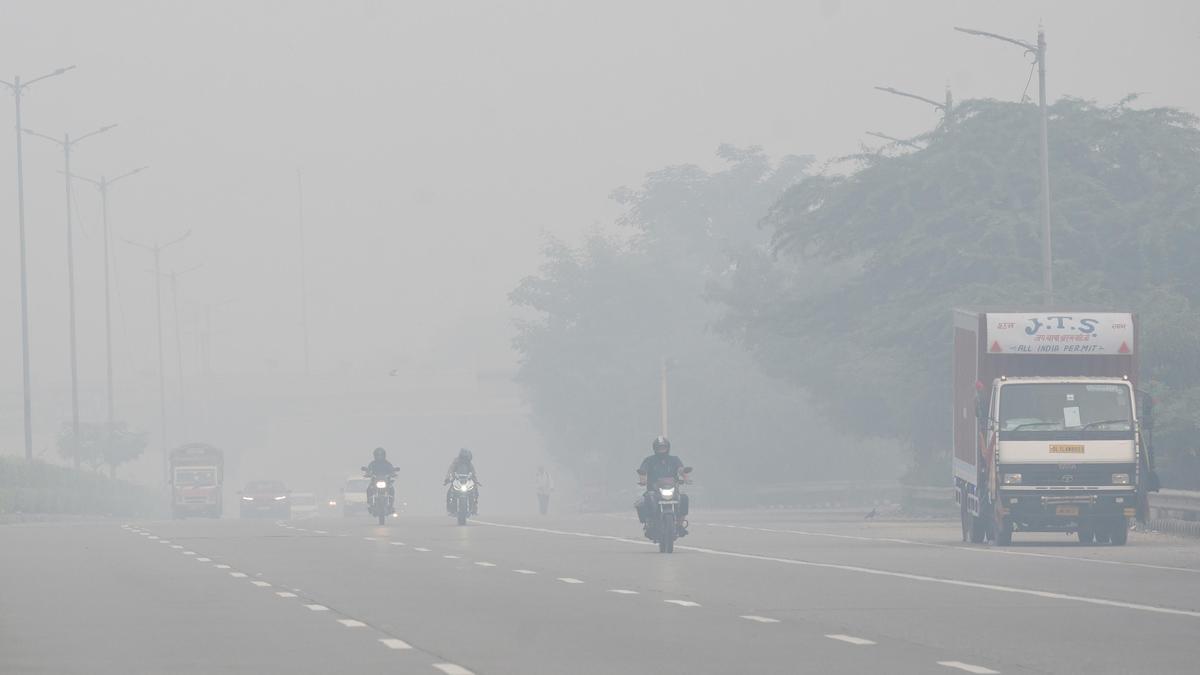
A recent study published in the Annals of the Rheumatic Diseases has found a link between exposure to PM2.5 pollution and increased disease activity and flare risk in rheumatoid arthritis (RA), a chronic autoimmune condition characterized by joint inflammation and damage. Researchers from Seoul National University College of Medicine in South Korea analyzed data from over 1,000 RA patients, tracking their exposure to six major air pollutants over a four-year period from 2021 to 2024.
After careful examination, PM2.5 was identified as a key factor contributing to heightened disease activity in RA patients. The association between PM2.5 and Disease Activity Score 28 (DAS28) was more pronounced in women and nonsmokers, and prolonged exposure to high PM2.5 levels for more than two weeks was associated with an increased risk of flares.
These findings have significant implications for public health policies, as they highlight the importance of considering air quality when managing RA. Lead researcher Eun Bong Lee emphasized the need for RA patients to avoid prolonged exposure to poor air quality, especially high PM2.5 levels, to reduce the risk of flares.
Written by urgent.news from The Hindu Health's reporting — not their text. Machine-written — may contain errors; check the original before relying on it.