Pills and Powders: Do Older Adults Really Need Supplements?
Kidney stones from too much vitamin D, falsified laboratory values and hidden sodium: What problems a consumer advocate sees for seniors - and which alternatives are better.
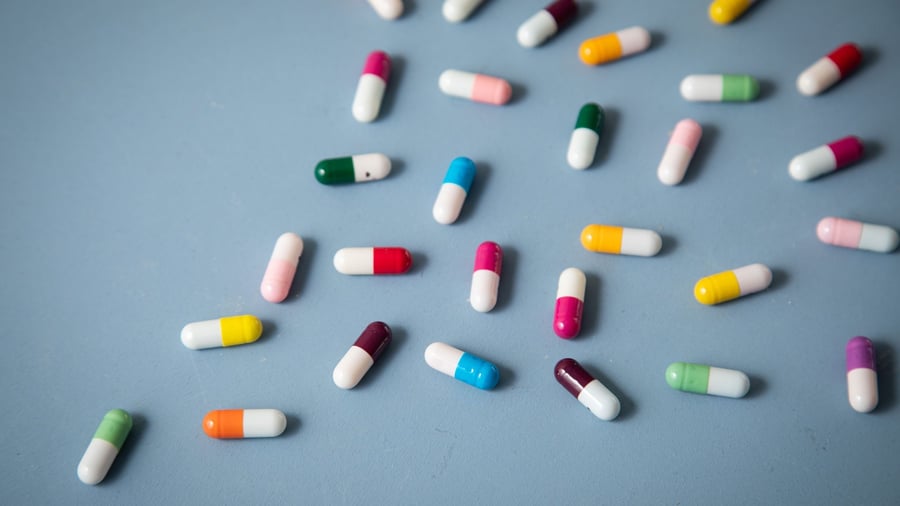
The debate surrounding the necessity of dietary supplements for older individuals has sparked a significant discussion. Advertisements often claim enhancements such as increased energy, improved memory, firmer skin, greater vitality, and relief from joint pain, enticing seniors with the promise of simple solutions. However, the Verbraucherzentrale NRW, or the German Consumer Center North Rhine-Westphalia, warns against the perception of these supplements as miracle cures.
The primary risk lies in the uncontrolled dosage, emphasizing the principle that "more is not better."
Angela Clausen, an eco-toxilogist and scientific employee at the Verbraucherzentrale, highlights three potential risks associated with improper dosing. Firstly, with fat-soluble vitamins such as Vitamin D, excessive intake may lead to serious health issues. High levels of Vitamin D can elevate blood calcium levels, resulting in symptoms like nausea, vomiting, loss of appetite, and muscle weakness.
Severe cases may even cause kidney stones or severe kidney damage. Secondly, the consumption of effervescent tablets poses a risk due to their high sodium content, which can exacerbate hypertension in certain individuals. Lastly, potential interactions between dietary supplements and medications are a significant concern, particularly for those containing plant-based ingredients.
These supplements may interfere with laboratory tests, as seen with Biotin affecting heart attack biomarkers. Instead of relying on supplements, promoting a healthy lifestyle and balanced diet is recommended. This includes regular exercise, sufficient sleep, strength training to prevent muscle loss, and ample time spent outdoors.
Essential nutrients such as calcium, found abundantly in dairy products and calcium-rich mineral waters, Vitamin B12 primarily in animal-based foods, Vitamin B6 in whole grains, meat, fish, nuts, and folate in green vegetables, oranges, tomatoes, whole grains, and nuts should be prioritized. Vitamin D can be produced by the body through sun exposure, complemented by fatty fish, egg yolks, and certain mushrooms.
For those with limited outdoor time, blood tests can help monitor Vitamin D levels. Importantly, protein intake increases with age, with a daily requirement rising from 0.8 to approximately 1 gram per kilogram of body weight for individuals over 65. Sources of protein include legumes such as soy, lentils, and peas, as well as meat, fish, dairy products, and eggs.
Written by urgent.news from Handelsblatt's reporting — not their text. Machine-written — may contain errors; check the original before relying on it.