No winter respite for farmers after dry July across southern WA
Concerns are growing over potential crop losses, with parts of WA's grain-growing regions recording their driest mid-winter spells on record.
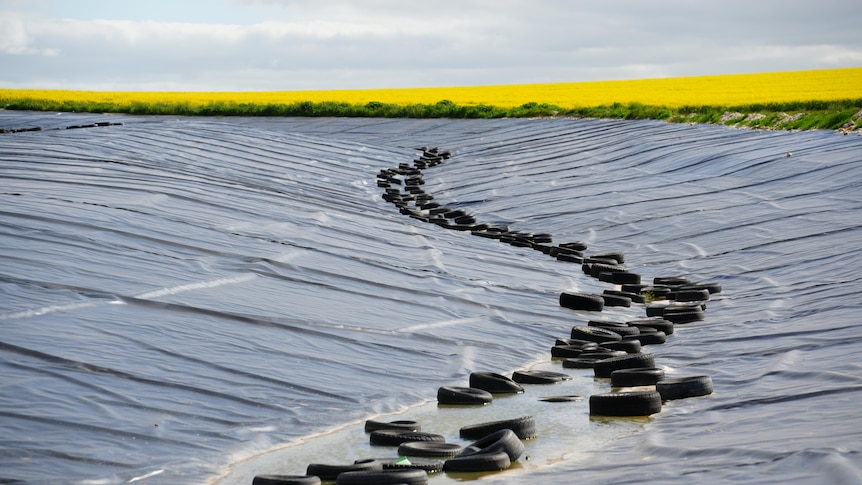
Southern parts of Western Australia have experienced their driest July on record, with farmers expressing growing concerns over potential crop losses. The Bureau of Meteorology (BOM) reported an average of 6.86 millimetres of rain across all districts in July, the driest since 2012 and the fourth-driest on record since 1900. The lack of rainfall is particularly worrying for farmers as it comes at a crucial time, with the dry spell disrupting the traditional window that can help set them up for spring.
Paul O'Meehan, a farmer near Borden, has invested a significant amount of money in lining dam catchments to capture the minimal rainfall received. He expressed concern over the lack of water, stating that his dams are only about two-thirds full and fear that they could be empty in the near future.
Kevin O'Brien, a sheep and grain producer, also highlighted the severe impact of the dry conditions, predicting very below-average yields for the season. He noted that pure grain farmers would face significant challenges, as the investment in crops is substantial. BOM senior hydrologist Masoud Edraki attributed the dry conditions to a high-pressure system over southern WA, which has prevented the necessary low-pressure systems that bring rainfall. Despite this, a wetter-than-expected October could provide some relief in spring.
Written by urgent.news from ABC News AU's reporting — not their text. Machine-written — may contain errors; check the original before relying on it.