Netanyahu is caught between Trump and his Coalition
US President Donald Trump wants Israel to do a deal with Hamas now, but conservatives in Benjamin Netanyahu's cabinet don't want a deal with the group ever — and it's leaving the Israeli prime minister in a difficult position.
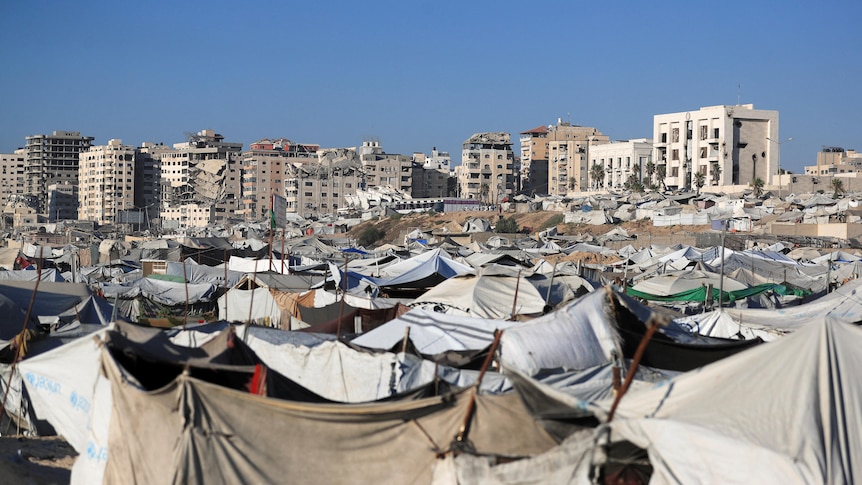
In a crowded tent camp in the heat of west Gaza City, Ahmed Ibrahim Suweirki finds a glimmer of optimism amidst the despair. Having been displaced multiple times since October 7, Suweirki expresses the desire for a peace deal that allows the reconstruction of his ruined enclave. However, he notes the history of empty promises made by various agreements. Hamas has announced its intention to surrender its weapons, but only if Israel withdraws from Gaza—a condition that has left both parties at odds.
Enter Donald Trump, whose 20-point peace plan has been accepted by Hamas. The plan requires major concessions and trust from both sides, particularly concerning the Israeli withdrawal from Gaza and an independent Palestinian governing body. While Jennifer Gavito, a former deputy US secretary for Iran, Iraq, and public diplomacy, sees value in the temporary agreement to relinquish weapons, she cautions that it hinges on Israel's withdrawal and cessation of ongoing attacks.
Benjamin Netanyahu finds himself caught between a pressing US president and his ultra-conservative political allies. The right-wing politicians, including Bezalel Smotrich and Itamar Ben-Gvir, staunchly reject the notion of a Palestinian state, advocating instead for the annexation and occupation of Gaza by Jewish settlers. These hardliners are pushing Netanyahu to renounce the potential deal. Nevertheless, Netanyahu cannot defy President Trump's influence, especially with the upcoming Israeli elections looming.
Upon Israel's attack following the October 7 atrocities, Netanyahu promised "total victory" and the "elimination" of Hamas. However, a negotiated Israeli withdrawal does not equate to such a victory, as it would be tantamount to admitting defeat in his war aims. The specifics of Hamas's disarmament and Israel's withdrawal remain under negotiation. There remains uncertainty over the extent of Hamas's disarmament, whether weapons will be destroyed or stored, and who will verify these steps.
Gavito posits that Hamas's move is strategically timed, potentially anticipating Israel's reluctance to follow through. She believes Hamas hopes to avoid giving up its weapons entirely. While the details of the disarmament and the handover of power to a Palestinian "technocratic" governing authority remain unclear, the situation appears stalled. Both sides are hesitant to openly reject the prospect of a deal due to their history and the potential for a fragile peace.
For the displaced residents of west Gaza City, the slow march towards ending the conflict and rebuilding their lives is frustrating. Subhiah Muhammad Ahmad Aliyan, a 70-year-old woman caring for her three orphaned granddaughters, laments the fleeting nature of ceasefires, which provide only temporary relief. Her words echo the uncertainty that grips the entire region as they wait to see if the elusive peace deal will ever materialize.
Written by urgent.news from ABC News AU's reporting — not their text. Machine-written — may contain errors; check the original before relying on it.