Microsoft quietly purges 32GB of RAM recommendations from its website — company reels from the effects of the memory shortage as it released 8GB base models for Surface laptops this year
Microsoft once recommended 32GB of RAM as a future-proof "no worries" upgrade for gamers, but it seems that it wants you to forget that it ever gave that suggestion. That's because laptop manufacturers, including Microsoft itself, has once again started selling models with a base configuration of 8GB of RAM as companies memory prices skyrocket out of control.
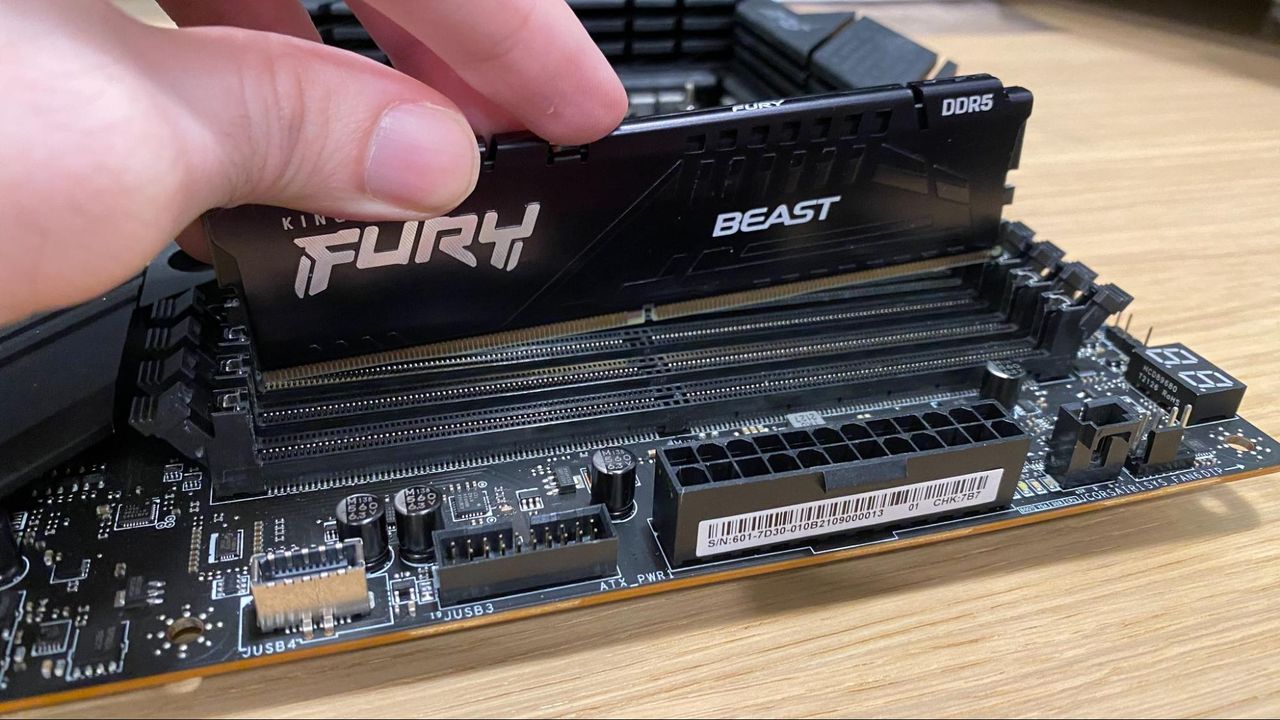
In a surprising turn, Microsoft has quietly removed 32GB of RAM recommendations from its website, according to recent reports. This move comes as the tech giant grapples with the ongoing memory shortage that has led to the introduction of 8GB base models for its Surface laptops this year. Initially, Microsoft advised gamers to opt for 32GB of RAM as the "future-proof" configuration, but it appears the company is now shifting its stance.
The Windows Learning Center website, where Microsoft had previously published a blog titled "How to optimize your gaming PC setup," has reportedly removed all references to the 32GB recommendation. Attempts to access the link now redirect users to the Learning Center Homepage. This abrupt change has left many manufacturers once again releasing laptops with just 8GB of RAM, a move that Microsoft has seemingly embraced.
Despite the memory shortage, Microsoft is taking steps to optimize its own operating system. The company has promised to reduce the footprint of Windows 11 by the end of the year, acknowledging that the OS itself can consume significant amounts of memory, particularly with the prevalence of web-based apps and interfaces. While Windows 11 requires a minimum of 4GB of RAM, the memory-hungry nature of many web-based applications is causing issues for many users.
This situation is emblematic of the challenges faced by developers in an era where memory modules are expensive and hard to come by. Just as developers in the 1980s and 1990s had to optimize their software to run smoothly on limited hardware, today's developers are being forced to do the same, as developers of web-based React and WebView2 interfaces have found.
This memory shortage has brought back memories of a time when efficiency was key, as even Microsoft's original Task Manager was designed to be as lightweight as possible to run on less powerful hardware.
As Microsoft navigates this memory shortage and faces increasing competition from macOS and Linux, it remains to be seen how the company and developers will rise to the challenge. The ability to create efficient software that can run smoothly on limited memory will be crucial in a world where memory is becoming scarcer and more expensive.
Written by urgent.news from Tom's Hardware's reporting — not their text. Machine-written — may contain errors; check the original before relying on it.