Malaysia risks hurting EV push with ‘poorly timed’ levy as foreign investment stalls
Malaysia is considering a levy on electric vehicles (EVs) to fund charging infrastructure, even as export and pricing conditions on high-volume foreign assembly projects have left Chinese giant BYD’s planned 1.3 billion ringgit (US$318 million) factory in limbo. Economists and industry experts warn the two policy moves could raise ownership costs while weakening Malaysia’s appeal as a…
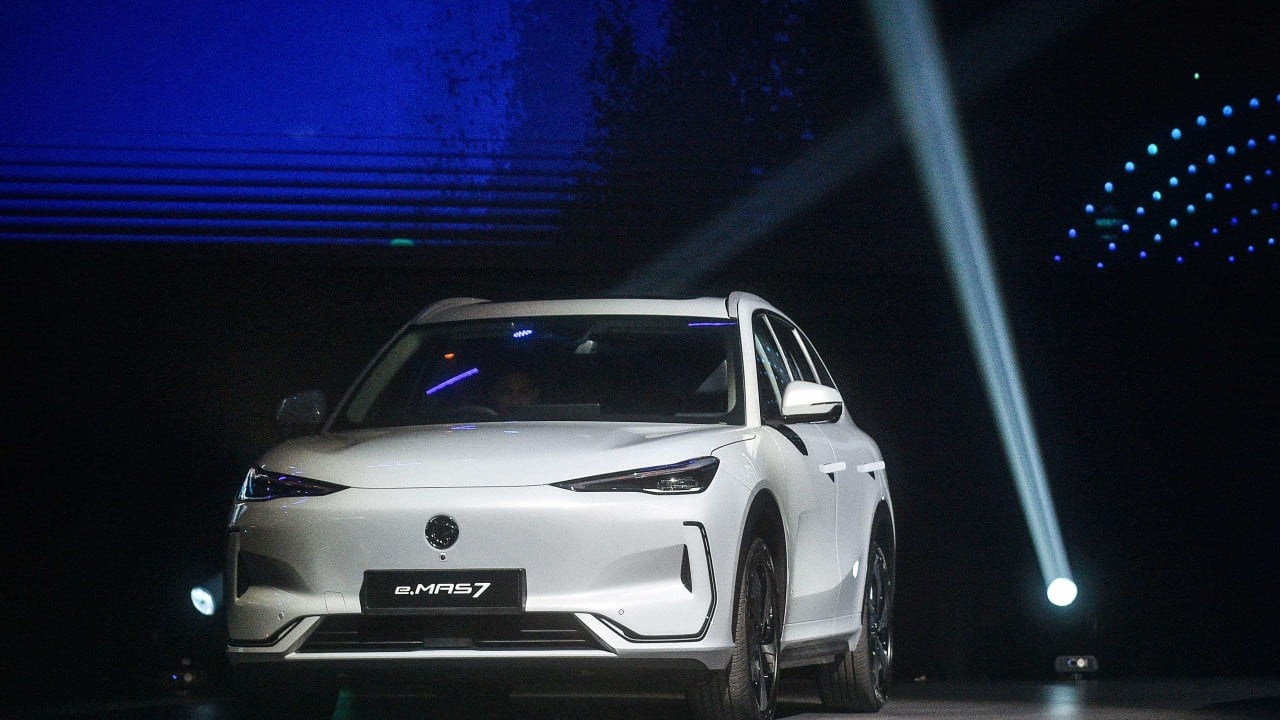
Malaysia is weighing a levy on electric vehicles (EVs) to finance charging infrastructure, but foreign investors and economists caution the move could stifle EV adoption and deter manufacturing. China's BYD, the world's leading EV manufacturer, has postponed a 1.3 billion ringgit (US$318 million) factory project amid concerns over conditions imposed by Malaysian authorities.
In 2025, EV sales in Malaysia more than doubled to 30,848 units, and electric-car registrations reached 115,349 by June 2026. The Malaysian Ministry of Investment, Trade and Industry (Miti) is studying a levy on every EV sold to expand the public charging network, but current infrastructure lags behind the target of 10,000 points by the end of 2025.
Experts argue the levy is "poorly timed" as charging infrastructure requires sufficient use to become commercially viable, and raising upfront costs could slow adoption, weakening demand for charging stations. Simultaneously, tighter conditions on foreign automakers could weaken Malaysia's appeal as a manufacturing hub, particularly when regional rivals like Thailand and Indonesia are competing for EV investment.
Written by urgent.news from South China Morning Post's reporting — not their text. Machine-written — may contain errors; check the original before relying on it.