Looming loss of Singapore’s Maju Forest to development raises many questions (commentary)
Every city faces difficult choices about how to use its land. As populations grow, governments must provide homes, transport and other essential infrastructure while protecting the natural ecosystems that make cities liveable. These decisions are often framed as a trade-off between development and conservation, with forests viewed primarily as reservoirs of biodiversity or stores of […]
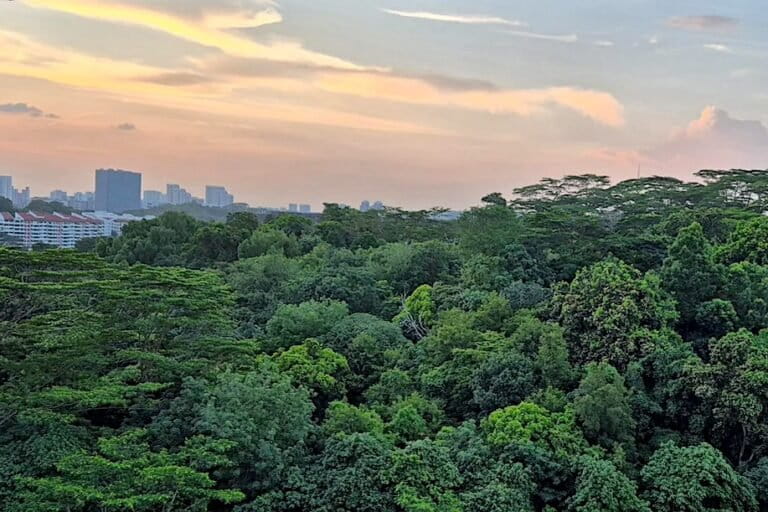
Singapore, a city-state renowned for its innovative integration of nature into a densely populated urban landscape, now grapples with the looming loss of Maju Forest. This 23-hectare (57-acre) forest, located in Clementi, faces the potential impact of development plans. Current projections suggest that around one-third of the forest will remain, while approximately 15 hectares (37 acres) will be converted into public housing.
The Maju Forest is home to over 100 species of wildlife, six of which are of conservation significance, including the straw-headed bulbul, buffy fish-owl, changeable hawk-eagle, oriental magpie-robin, bamboo bat, and long-tailed macaque. While cities worldwide struggle with the delicate balance between development and conservation, Singapore's unique position warrants a closer examination.
Rather than viewing forests solely as reservoirs of biodiversity or carbon stores, recent research emphasizes their crucial role as living public infrastructure. Mature forests help mitigate urban heat, encourage physical activity, provide stress relief, strengthen community cohesion, and bolster biodiversity - factors that contribute significantly to the overall health and well-being of city dwellers.
In Singapore, the preservation of Maju Forest and its ecological benefits is of paramount importance, especially as the city continues to grapple with the challenges posed by climate change, urban heat, and the rise of chronic diseases associated with sedentary lifestyles.
Written by urgent.news from Mongabay's reporting — not their text. Machine-written — may contain errors; check the original before relying on it.