Longer Therapeutic Cooling Comes Up Short After Cardiac Arrest
(MedPage Today) -- Extra hours of therapeutic hypothermia after out-of-hospital cardiac arrest (OHCA) conferred no better neuroprotection, a randomized trial found. The ICECAP trialists intended to test a range of durations of therapeutic hypothermia...
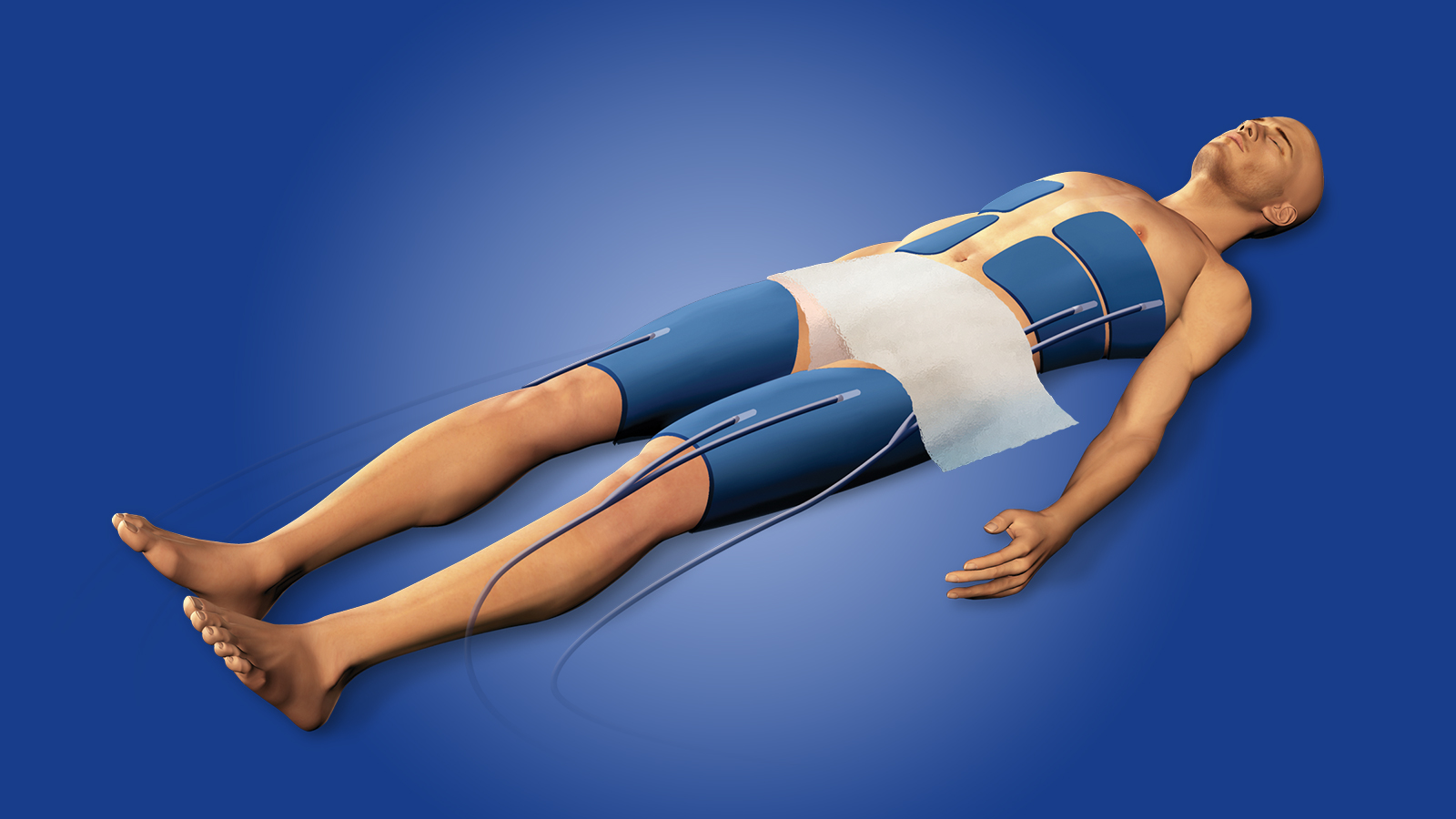
A recent randomized trial, known as ICECAP, has shown that extending the duration of therapeutic hypothermia after out-of-hospital cardiac arrest (OHCA) does not offer any additional benefits in terms of neuroprotection. The study, which tested cooling durations ranging from 6 to 72 hours, found that beyond the first 48 hours, there was no improvement in neurologic outcomes at the 90-day mark.
Lead investigator Robert Silbergleit, MD, from the University of Michigan in Ann Arbor, reported in JAMA that the probability of 6 hours being the optimal duration for achieving the best mean weighted neurologic score was essentially the same for both nonshockable (0.51) and shockable rhythm (0.49) cohorts. The trial, conducted at 71 U.S. centers, included 1,158 patients who were survivors of OHCA with either shockable or nonshockable rhythms.
Despite the lack of improved outcomes, the study did identify potential factors that could influence the effectiveness of therapeutic hypothermia, such as differential injury phenotypes, clinical practice variability, and social/genetic determinants of health. The trial's findings suggest that rather than focusing on extending cooling durations, efforts should be directed towards identifying which patients would benefit most from therapeutic hypothermia and determining the optimal methods for delivering the treatment.
Current statistics show that even with therapeutic hypothermia, 90-day mortality rates remain high at 81.3% for nonshockable rhythms and 52% for shockable rhythms, with average weighted neurologic scores of 0.8 and 3.5, respectively.
Written by urgent.news from MedPage Today's reporting — not their text. Machine-written — may contain errors; check the original before relying on it.