Japan’s Kihara: Specific monetary policy means are up to the BoJ to decide
Japanese Chief Cabinet Secretary Minoru Kihara said on Wednesday, “specific monetary policy means are up to the Bank of Japan (BoJ) to decide.”

Japanese Chief Cabinet Secretary Minoru Kihara affirmed on Wednesday that the Bank of Japan (BoJ) holds the ultimate decision-making authority regarding monetary policy measures. Kihara emphasized the BoJ's responsibility to sustainably and stably achieve its price target through appropriate monetary policy, while maintaining close collaboration with the government.
When questioned about US Treasury Secretary Scott Bessent's comment on the yen, Kihara refrained from offering any comments. Similarly, when asked about a report suggesting Prime Minister Fumio Takaichi's request for the BoJ Governor to purchase Japanese government bonds (JGB), Kihara also declined to comment.
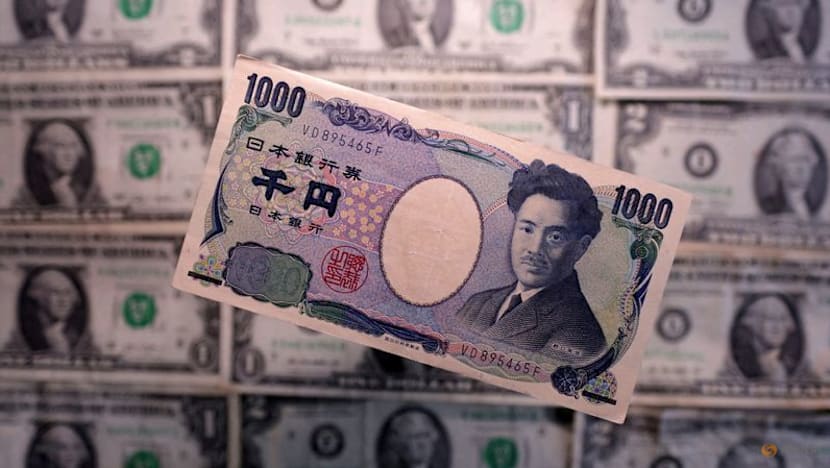
Kihara stated that the Japanese government and BoJ are communicating closely on various levels concerning economic and financial trends. The Japanese Yen (JPY) has shown positive movement following these comments, causing the USD/JPY exchange rate to decline by 0.22% to 157.38. The JPY is one of the world's most traded currencies, with its value influenced by factors such as the performance of the Japanese economy, the Bank of Japan's policy, the disparity between Japanese and US bond yields, and risk sentiment among traders.
One of the BoJ's mandates is currency control, and its actions have a significant impact on the Yen's value. The BoJ has occasionally directly intervened in currency markets, primarily to lower the Yen's value. However, this intervention is rare due to political concerns from key trading partners. The BoJ's ultra-loose monetary policy between 2013 and 2024 contributed to the Yen's depreciation against its major currency peers due to a growing policy divergence between the BoJ and other central banks. Recently, the gradual unwinding of this ultra-loose policy has provided some support for the Yen.
Over the past decade, the BoJ's commitment to ultra-loose monetary policy has widened the policy divergence with other central banks, particularly the US Federal Reserve. This divergence has resulted in a widening gap between the 10-year US and Japanese bond yields, favoring the US Dollar against the Japanese Yen. The BoJ's decision in 2024 to gradually abandon the ultra-loose policy, combined with interest-rate cuts in major central banks, is narrowing this yield differential.
As a safe-haven investment, the Japanese Yen tends to strengthen during turbulent times, as investors prefer to hold onto the currency due to its perceived reliability and stability.
Written by urgent.news from FXStreet's reporting — not their text. Machine-written — may contain errors; check the original before relying on it.