Govt aims to keep India's internet free from unlawful, obscene content: I&B Ministry to Lok Sabha
The government is dedicated to fostering a secure and accessible internet environment for all users. Their policies focus on safeguarding the Indian digital landscape from offensive content. Through the IT Act and IT Rules, a robust framework has been established to combat harmful online material. Recent amendments also tackle the risks associated with synthetically generated content like…
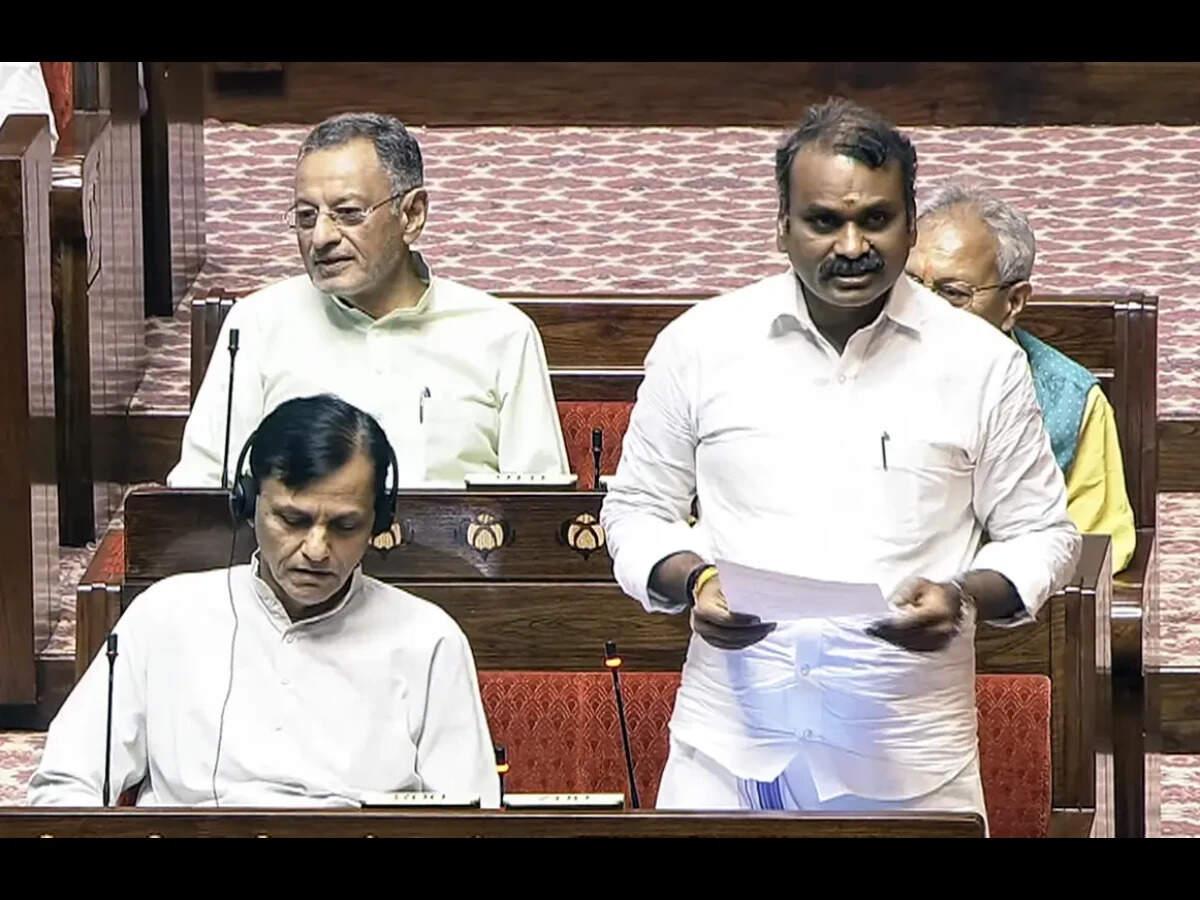
The Indian government's Ministry of Information and Broadcasting (I&B) has assured the Lok Sabha that it is dedicated to maintaining a clean and lawful digital environment in India. Minister of State L Murugan detailed this commitment in a written response to a parliamentary question.
Murugan highlighted the government's implementation of the Information Security Education and Awareness (ISEA) project, which aims to cultivate expertise in information security and promote general awareness about cyber hygiene and security among the public.
The I&B minister also emphasized the government's commitment to an 'Open, Safe, Trusted and Accountable Internet' for all users, especially vulnerable groups like women and children. He pointed out that the IT Act of 2000 and the Information Technology (Intermediary Guidelines and Digital Media Ethics Code) Rules of 2021 form the backbone of the government's strategy to combat unlawful content, particularly content that is obscene, pornographic, or harmful to children.
These rules impose specific responsibilities on intermediaries, including social media platforms, to ensure that their users do not host, display, or share any form of illegal or harmful content. Non-compliance results in the loss of the intermediaries' immunity under section 79 of the IT Act, potentially leading to legal action.
In February, the government further reinforced its regulatory framework by amending the IT Rules to tackle synthetic-generated information, including deepfakes and AI-generated content. This amendment mandates intermediaries and large social media platforms to implement technical measures to prevent the creation and spread of such content, as well as to report related offenses to relevant authorities.
The National Cyber Crime Reporting Portal (NCRP) was introduced to facilitate reporting of cybercrimes, including those against women and children, in an anonymous manner. Additionally, the government has allocated Rs 132.93 crores under the Cyber Crime Prevention against Women and Children Scheme for capacity building initiatives, including the establishment of cyber forensic laboratories and training programs for law enforcement agencies and judicial officers.
Written by urgent.news from Economic Times Tech's reporting — not their text. Machine-written — may contain errors; check the original before relying on it.
Also reported by 1 other outlet
- India’s rice procurement up 5% in 2025-26, as Govt buys 18% higher from rabi crop thehindubusinessline.com