From HDB flats to Peranakan tiles: How Onlewo turned Singapore's everyday heritage into contemporary design
Discover how Onlewo transforms Singapore's architecture, culture and everyday icons into contemporary prints that celebrate heritage with style.
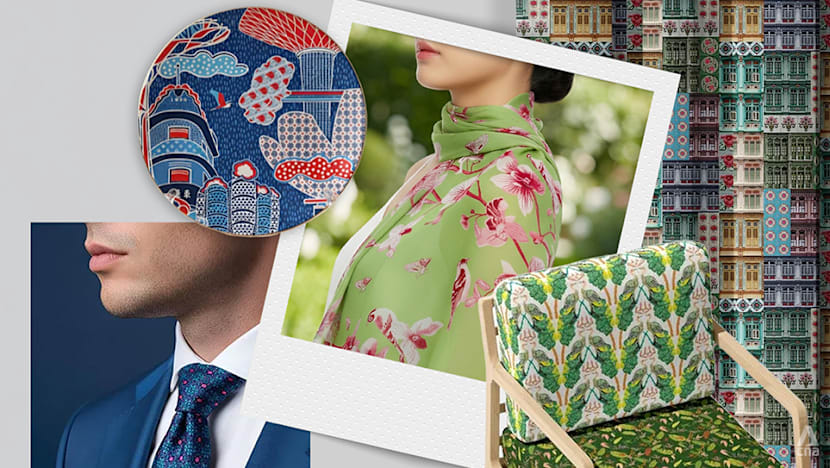
Onlewo, a Singapore design studio, transforms everyday heritage into contemporary design products. Founder Mike Tay, a self-taught print designer, co-founded the studio with business partner Eugene Yip in 2015. Tay's designs incorporate familiar Singaporean icons like Peranakan tiles, HDB facades, and iconic landmarks into sophisticated patterns.
Tay's journey to becoming a designer began with photography and printmaking in his spare time. Living in Tiong Bahru, a conserved pre-war neighbourhood, inspired him to appreciate the emotional weight of seemingly ordinary details. Realizing that these details carry memories, stories, and emotions, Tay founded Onlewo to celebrate Singapore's culture through homeware, fashion, and gifts.
The studio named itself after the Chinese phrase "an le wo," meaning "a peaceful and happy nest." Tay hopes his designs create little moments that make people feel at home, connecting them to the memories and emotions their products embody. Initially focused on creating beautiful, useful products, Tay gradually grew Onlewo to offer lasting, meaningful items.
From its inception, Onlewo's designs have been subtle storytelling pieces that blend heritage with understated whimsy. Tay's signature aesthetic features recognisable yet discreet visual references, inviting closer observation rather than revealing everything at first glance. The studio has worked on exclusive designs for corporate and institutional clients, including a bespoke mahjong set for Patek Philippe and a commissioned guest room at The Fullerton Hotel.
Onlewo has also represented Singapore at overseas showcases, sharing the nation's creative identity with audiences worldwide. Despite initial skepticism about the market potential for Singapore-inspired wallpaper, Tay remained committed to his vision, eventually proving that ordinary elements from one's surroundings could become expressive designs.
Written by urgent.news from Channel News Asia's reporting — not their text. Machine-written — may contain errors; check the original before relying on it.