Beyond the music: Why Rabbi Shlomo Carlebach should no longer be revered as a saint
A boycott of Carlebach’s songs may be unrealistic, but religious communities cannot continue depicting him as a saint while ignoring the women who accused him of sexual abuse, allegations revisited in the documentary ‘The Darkest Light’
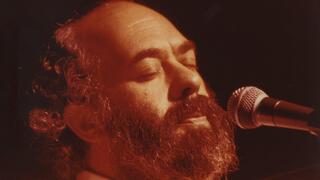
Rabbi Shlomo Carlebach, a figure revered in Jewish communities for his gentle, wise and generous nature, should no longer be held up as a saint, according to the documentary "The Darkest Light". The film, which premiered at the San Francisco Jewish Film Festival, presents the painful process of his eldest daughter, Neshama Carlebach, as she grapples with allegations of sexual misconduct against her father.
Despite his many contributions, including his support for women's advancement in the religious world and his belief in ordaining women as rabbis, Carlebach is accused of betraying the trust and exploiting young women. Three women featured in the documentary recount their experiences of sexual abuse, detailing instances of inappropriate physical contact, invasive conversations and persistent harassment.
These accounts, while difficult to read, reveal the complexity of Carlebach's character and the potential gap between his public persona and private behavior.
The documentary raises important questions about Carlebach's legacy and the society's willingness to accept complexity. While his music may continue to resonate in Jewish homes, the more pressing issue is the man behind the melodies. It is crucial to move beyond viewing Carlebach as an angelic figure and to acknowledge the allegations against him. This conversation is long overdue, and it is time to treat Carlebach as a complex human being, rather than a perfect saint.
Written by urgent.news from Ynetnews Culture's reporting — not their text. Machine-written — may contain errors; check the original before relying on it.