Context Is the New Monolith: A Lesson from Reviewing an AI Agent Architecture
Last week I was reviewing the architecture of an AI agent platform designed to automate video generation. The concept was solid. A researcher agent gathered information, planning agents created the structure, writing agents generated content, and downstream agents transformed everything into outputs ready for video production. On the surface, it worked remarkably well. Every agent produced…
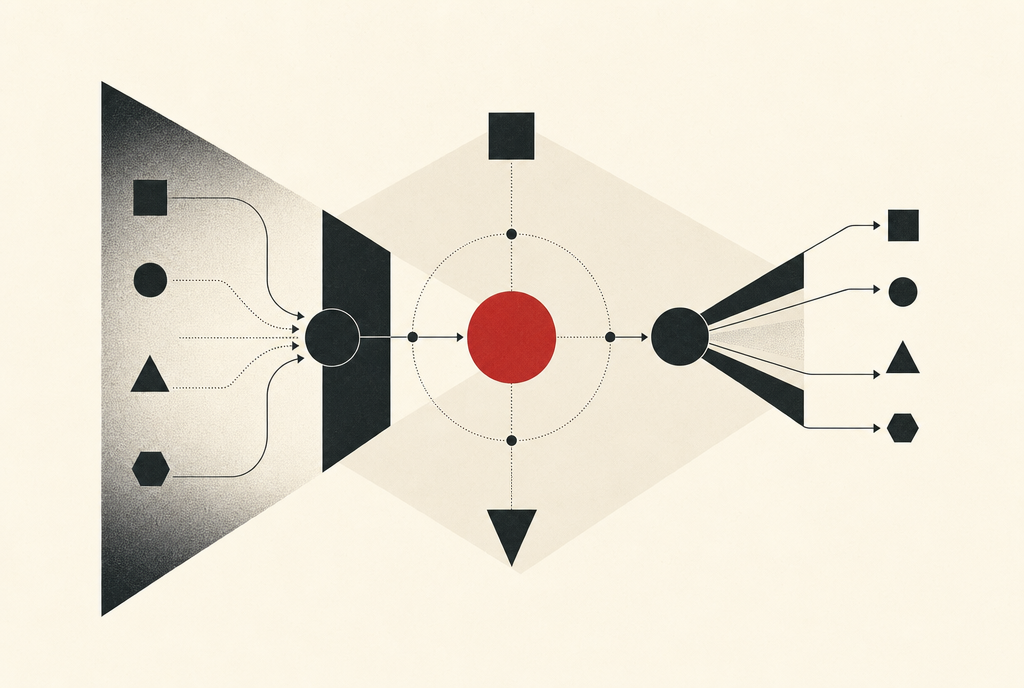
An AI agent platform designed for video generation was reviewed, revealing architectural issues. Initially, the architecture seemed robust with each agent producing structured JSON. However, upon examining inter-agent communication, problems emerged. Instead of receiving only necessary information, agents were flooded with excessive context, including execution history, planning documents, and previous reasoning.
This approach, believed to enhance agent intelligence during development, proved to be a significant liability in production. The issues became apparent as usage grew: token costs increased exponentially, performance became unpredictable, agents lost focus, and debugging became nearly impossible. The root cause was a lack of context isolation and task separation.
Each agent should have a single job, receiving only the required context for its task. Clear task identification through unique IDs and retrieval-based context rather than broadcasting was crucial. A well-architected system, focusing on clear boundaries and task isolation, will yield better results than focusing solely on agent intelligence or prompt optimization.
Written by urgent.news from Dev.to's reporting — not their text. Machine-written — may contain errors; check the original before relying on it.