China lands painful retaliation over EU sanctions on Russia
On July 23, the EU approved its 21st package of sanctions against Russia, introducing the biggest expansion of personal and corporate restrictions for four years.
On July 23, the European Union announced its 21st package of sanctions against Russia, expanding personal and corporate restrictions for the first time in four years. This update affected 170 organizations and 48 individuals, with assets frozen for 94 banks and the oil price cap lowered to $44.10 per barrel. However, a noteworthy addition was the implementation of export controls on 51 entities from China and other countries.
These included 14 Chinese or Hong Kong firms specializing in dual-use micro-electronics, CNC machine tools, and chip-making equipment, as well as dual-use goods like rare metal elements.
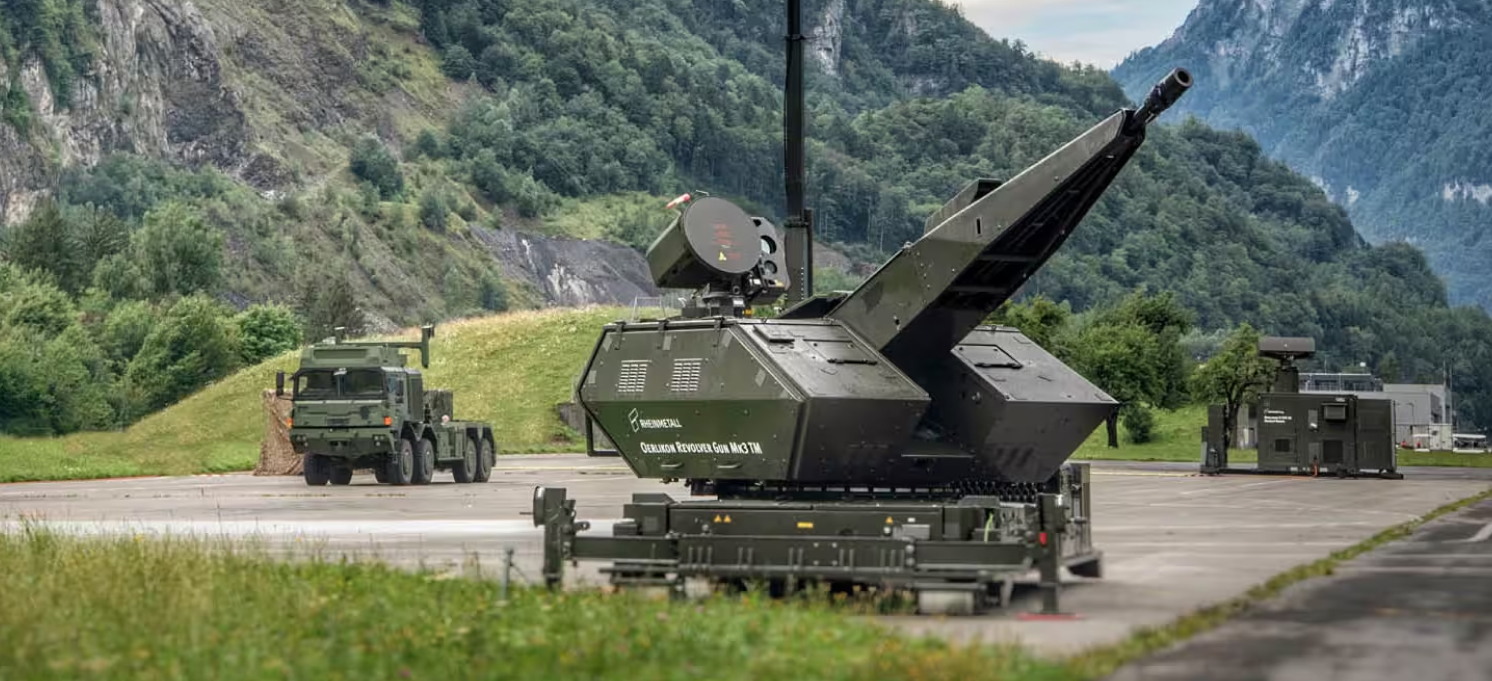
In response, within 24 hours, China levied export controls on 14 European organizations, targeting key players such as Rheinmetall, Europe's largest defense contractor, as well as Czechia’s Tatra Trucks and Bulgaria’s Opticoelectron. This marked a shift from Beijing's previous strategy of sanctioning only defense-related companies.
China's move signals its readiness for a more escalated trade dispute with the EU. The extent to which companies will adapt to these new restrictions varies, with some facing difficulty replacing specific rare-earth materials or other components. However, China maintains control through its licensing mechanism, allowing some exports while rejecting or delaying others to maintain uncertainty and encourage affected companies to lobby their governments.
Brussels' cautious approach — seeking clarification and helping companies seek exemptions — may inadvertently benefit China. This tactic aligns with Germany's decision to cancel a planned visit from its foreign minister, who was scheduled to discuss rare-earth metals. While the economic impact is expected to remain targeted, the political implications are significant.
Chinese or Hong Kong-based companies exempted by Brussels could serve as conduits for electronics, machine tools, and chip-manufacturing components to reach Russia, thereby circumventing existing sanctions.
As future EU packages may include up to 1,600 new companies, Brussels may exercise greater caution in future actions, especially considering the limited effectiveness of current sanctions and the rising costs of countering Chinese countermeasures. The lack of coordination between China and the EU in their sanction strategies adds unpredictability, further challenging the stability of the sanctions regime.
Written by urgent.news from The Bell's reporting — not their text. Machine-written — may contain errors; check the original before relying on it.