Baltimore Is Rethinking What It Means To Call 911 — And Who Responds
The city wants to stop health crises before they happen and is creating a new service to do that when people call 911.
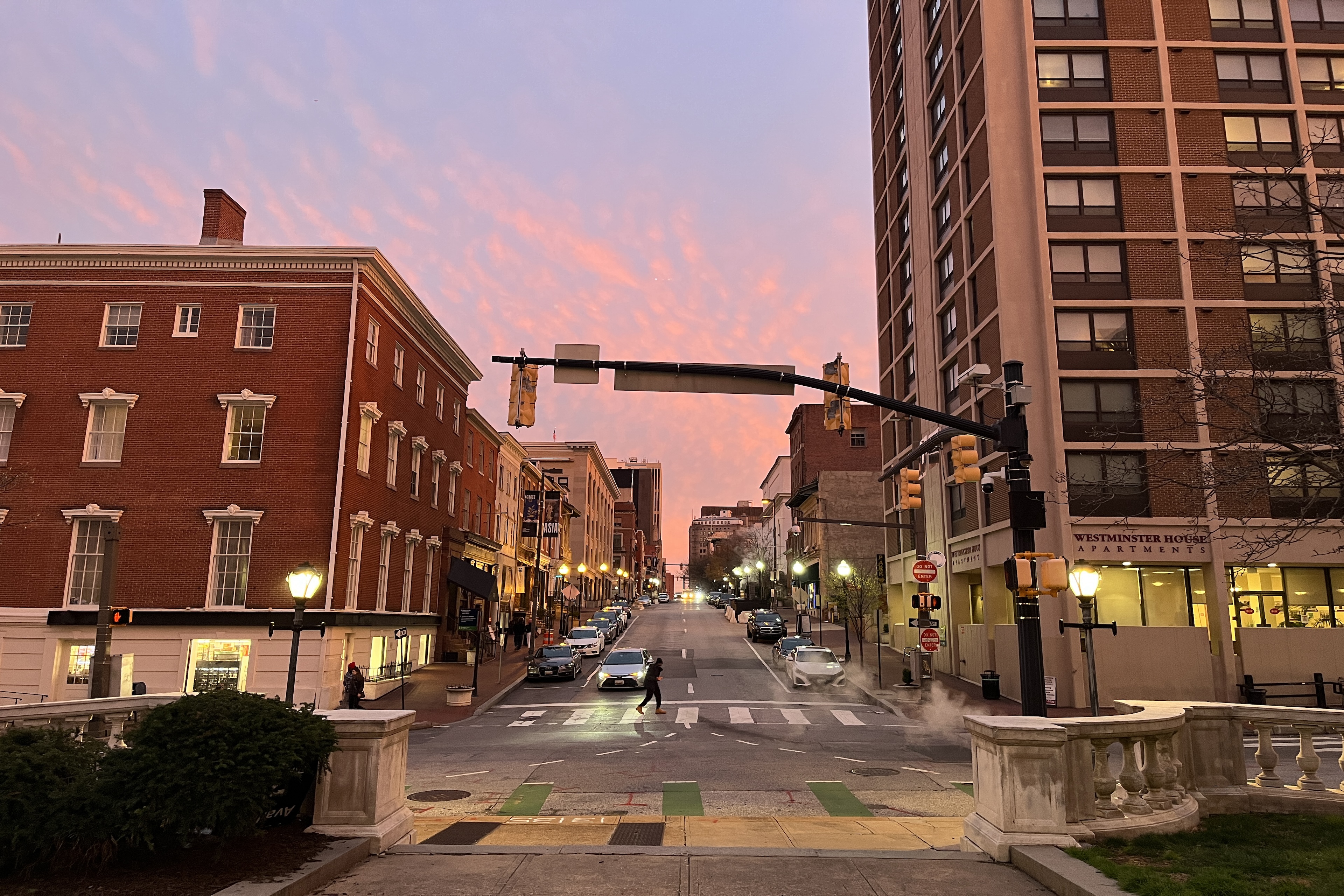
Baltimore is reconsidering the purpose of calling 911 and the individuals who would respond to such calls. In a McDonald's parking lot, mental health clinician Michala Williams met a woman who had called the police for help, only to be arrested instead of receiving the aid she needed. This event led Williams to realize the need for a broader service that could respond to non-emergency situations and provide necessary support.
Baltimore has received around $400 million from opioid-related legal settlements and plans to use some of these funds to expand its mobile crisis teams, which currently focus on mental health crises. These teams are expected to operate around the clock and respond to various crises, reducing the need for police involvement. Studies have shown that non-law enforcement teams can lead to fewer arrests, especially for Black, male, and middle-aged individuals.
Baltimore's homicide rate has decreased by 60% since 2021, but drug overdoses have reached record levels, with about 1,000 deaths per year from 2020 to 2023. The city opted out of a global opioid settlement in 2018 and is now using the settlement funds to address drug-related harms. One proposed program involves placing naloxone boxes at subway stops.
Expanding 911 services is part of a larger strategy to improve city services, with $15 million in settlement funds allocated so far. The expansion aims to help the city think differently about how it responds to residents in crisis, emphasizing the need for wraparound services and support to prevent people from becoming involved in the emergency system.
Written by urgent.news from KFF Health News's reporting — not their text. Machine-written — may contain errors; check the original before relying on it.