AMD's results spotlight risks of putting all your AI eggs in too few baskets
The House of Zen's new Helios racks, Venice Epycs, may dent Nvidia's dominance — if the bubble doesn't pop first
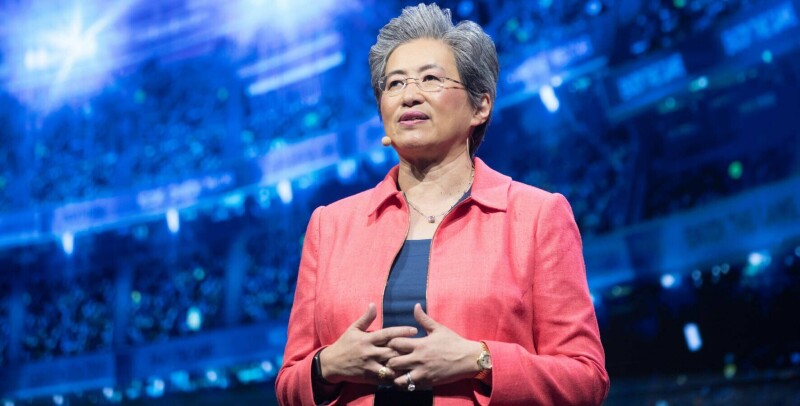
AMD reported robust second quarter results and projected future financial growth driven by its Helios rack systems and Instinct MI400-series GPUs. CEO Lisa Su informed investors that the company's data center segment revenue is expected to more than double by 2027. However, despite the strong financial performance, Wall Street reacted negatively, with AMD's stock falling 10.5 percent following the earnings announcement.
This drop can be attributed to AMD's heavy reliance on AI adoption by a limited number of tech giants, including OpenAI, Anthropic, and Meta, which have yet to demonstrate profitability. During the earnings call, Su tried to calm investor concerns, acknowledging that while AMD can sell GPUs to numerous customers, most are sold in smaller quantities to a handful of entities.
Despite this concern, AMD remains optimistic about its position in the AI market, citing its MI300-series GPUs as a credible alternative to Nvidia. The company showcased its new Helios rack-scale compute platform, which competes with Nvidia's Vera Rubin platform. AMD also aims to capitalize on the growing demand for CPUs to power agentic AI sandboxes.
However, the company faces challenges from Intel, Nvidia, Arm, Qualcomm, AWS, Google, and Microsoft, as well as a potential decline in PC sales due to the ongoing RAMpocalypse and reduced console sales.
Written by urgent.news from The Register Science's reporting — not their text. Machine-written — may contain errors; check the original before relying on it.