Will Hamas disarm? Gaza militia chiefs: 'The people will kill them, not us'
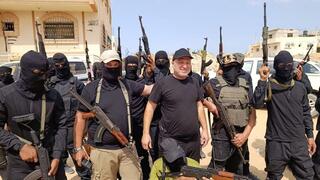
Gaza is being influenced by three main power centers: the IDF, Hamas, and local militias. The IDF maintains buffer zones, strategic routes, and security areas, while Hamas aims to retain its military and governing position. Local militias are also seeking to establish themselves as an alternative force. The struggle for weapons and security institutions is a central test of any future arrangement.
Israel seeks to prevent Hamas from rebuilding as a significant military force, while Hamas refuses to give up its weapons. Militia leaders told ynet that Hamas would not surrender its weapons, fearing retribution from the people. They argue that the weapons issue is the main obstacle to any agreement. Militia leaders also highlighted the role of armed clans, stating that they will demand the clans' weapons as well.
Fighting resumed after a brief lull, with casualties reported in an IDF drone strike and artillery fire in various parts of Gaza. Hamas continues to demand that mediators halt the fighting and advance the implementation of the second phase of the ceasefire agreement. However, conditions are far from a full ceasefire, with the IDF maintaining control over strategic areas and an internal battle for leadership intensifying.
The "yellow line" separating IDF-controlled areas from Palestinian territory remains a central feature of Gaza's new reality, with residents' movement increasingly restricted.
Written by urgent.news from Ynetnews's reporting — not their text. Machine-written — may contain errors; check the original before relying on it.