What is the new Indian Statistical Institute Bill drawing criticism? | Explained
The government contends that, since the regulations are prescriptive, even small reforms require the approval of the General Body
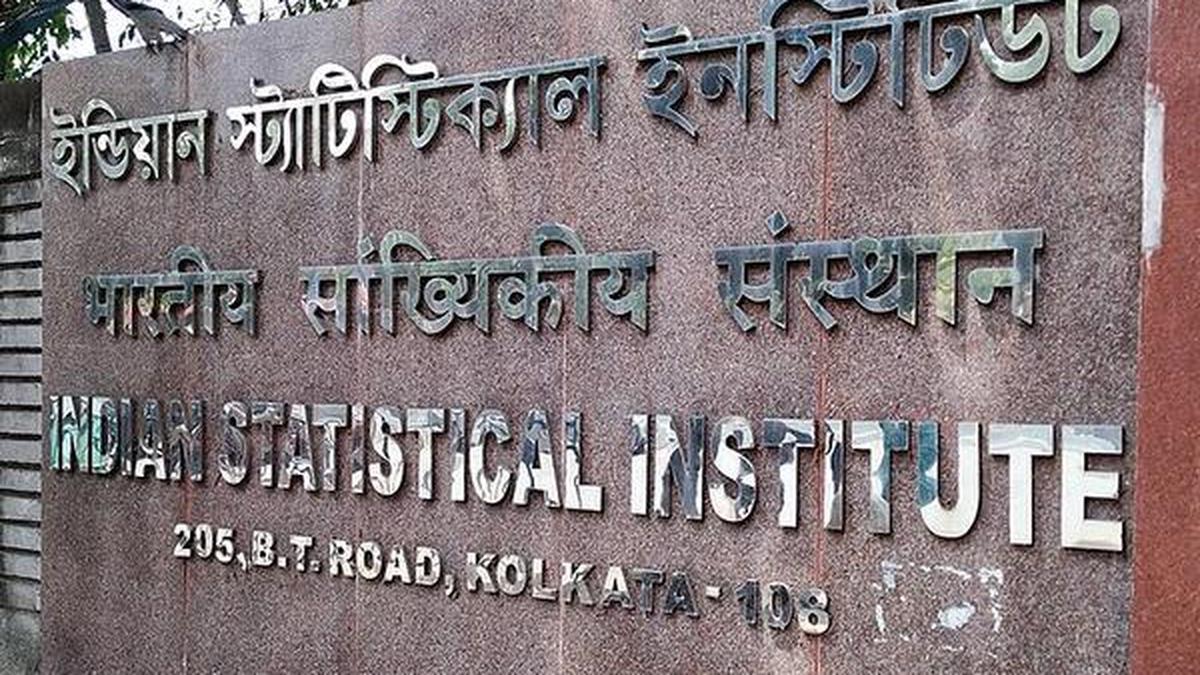
The Indian Statistical Institute Bill, 2026 has drawn criticism from various quarters since its introduction in Parliament. The new legislation aims to replace the institute's current 67-year-old predecessor, enacted in 1959. However, the provisions of the Bill have been met with protests from faculty members of the Indian Statistical Institute (ISI) and MPs alike.
The Indian Statistical Institute traces its roots back to the 1920s when P.C. Mahalanobis, India's most renowned statistician, established the Statistical Laboratory at Presidency College in Kolkata. Mahalanobis officially founded the institute in December 1931, recognizing its significance as a "learned society" housed in the Statistical Laboratory. The institute was duly registered as a non-profit distributing learned society under the Societies Registration Act of 1860 on April 28, 1932.
Over the years, the institute has grown and evolved, with its registration amended in 1961 under the West Bengal Societies Registration Act. In the current Bill, terms and conditions are stipulated, and comments must be written in English, using full sentences. Abusive or personal remarks are expressly prohibited, adhering to the community guidelines of The Hindu's commenting platform.
The controversy surrounding the new Bill stems from its potential impact on the institute's operations and governance. Faculty members and MPs argue that certain provisions could undermine the institute's autonomy and independence, which have been crucial to its continued success and reputation in the field of statistics.
Written by urgent.news from The Hindu's reporting — not their text. Machine-written — may contain errors; check the original before relying on it.