Trump meets AI giants, Senate Dems decry ‘unpredictable’ governance — and cheap Chinese AI looms as giant security risk
While Democrats say the lack of clear rules will lead to American firms choosing Chinese AI companies over domestic ones, experts say it's the cost.
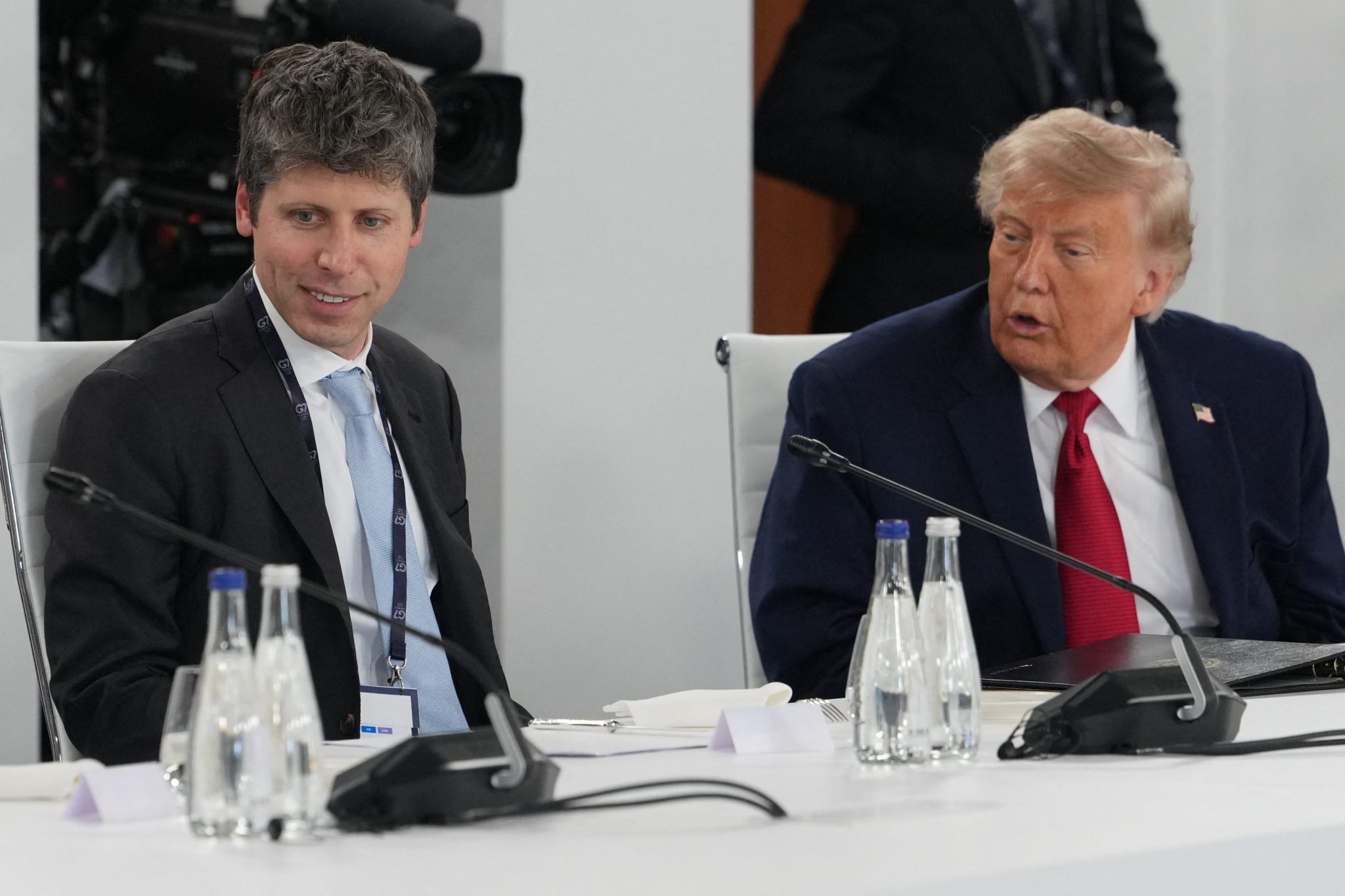
On Tuesday, the White House convened with AI giants such as Google, OpenAI, and Anthropic to review a draft framework aimed at addressing cybersecurity risks associated with frontier AI models. However, Senate Democrats have criticized the Trump administration for its lack of clarity on AI governance, arguing that it is encouraging American companies to outsource their operations to cheaper Chinese AI alternatives.
In a letter addressed to the White House, Democratic senators Kirsten Gillibrand, Chris Coons, Mark Kelly, Adam Schiff, and Mark Warner expressed concern over the administration's "ad-hoc" approach to AI regulation. They claimed that the current policy was failing to address security risks while pushing the world towards Chinese alternatives.
According to the senators, the lack of consistent policy governing American AI models would incentivize consumers and businesses to migrate to foreign vendors, particularly those based in China.
The administration's voluntary framework stems from an executive order issued on June 2, enabling the government to review powerful AI models for up to 30 days before their launch. However, details regarding the framework's content, who has seen it, and its implementation timeline have been scarce. The White House has denied allegations of unpredictability, stating that they are engaging with numerous industry partners beyond the three AI labs mentioned in Politico's report.
Sam Bresnick, a research fellow at Georgetown's Center for Security and Emerging Technology, explained that Chinese AI alternatives are more appealing due to their affordability and fine-tunability. Unlike their American counterparts, Chinese AI models can be downloaded and customized by companies, making them a more cost-effective option. However, Bresnick also acknowledged the administration's unpredictable regulatory approach as a deterrent for American companies.
Gillibrand warned that sudden, opaque restrictions on U.S. AI models could lead global customers to delay or avoid integrating American systems into critical workflows, potentially creating an opportunity for Chinese alternatives. Foreign AI, particularly the cheaper options, could become a more attractive choice for companies, especially for startups with limited resources.
Moreover, China's history of economic coercion and potential blockage of access to advanced AI models could further exacerbate the situation, leaving U.S. firms facing risks from both domestic and foreign sources.
Written by urgent.news from Fortune's reporting — not their text. Machine-written — may contain errors; check the original before relying on it.