Top Huawei chip scientist opens up on strategy, ‘blind arrogance’ and his war-hero mindset
When Liao Heng joined Huawei Technologies’ chip-design unit in 2016, he was sceptical about whether China could ever build world-class semiconductors. A former child prodigy who entered Beijing’s prestigious Tsinghua University in 1987 at age 14 before moving to Princeton University for postdoctoral research, Liao had spent over a decade in the United States watching what he described as a “long…
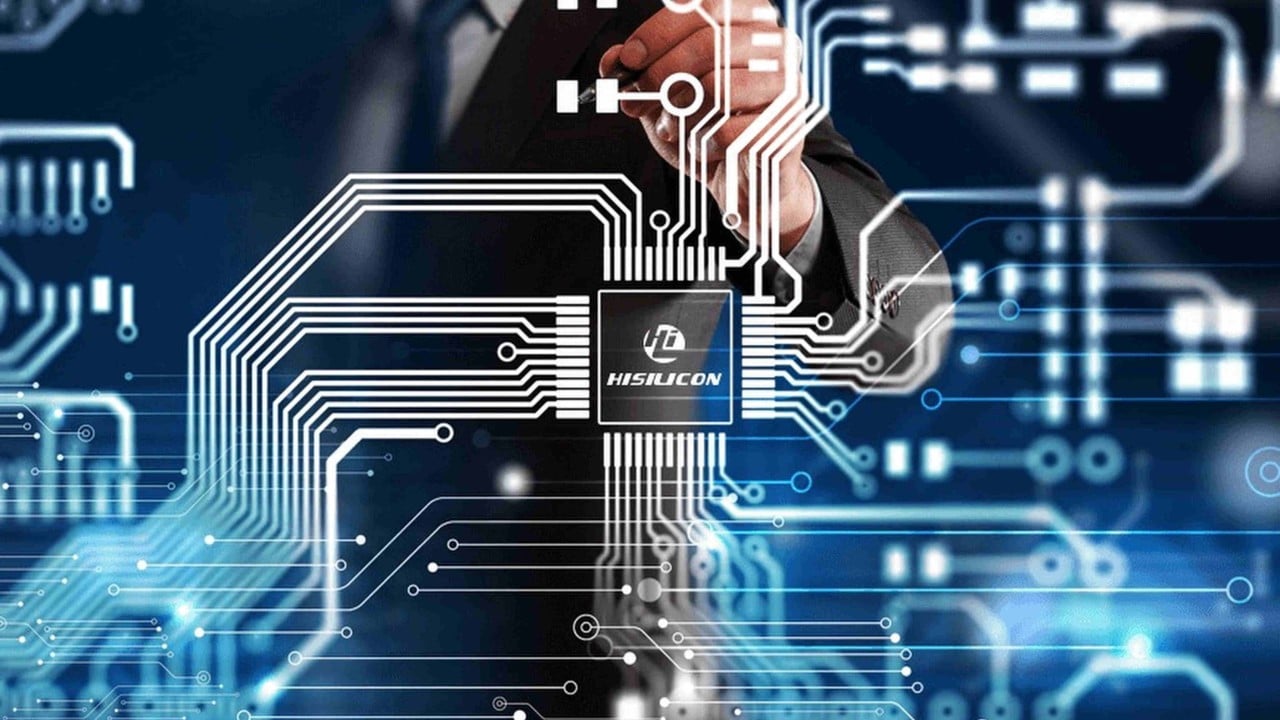
When Liao Heng began working at Huawei Technologies' chip-design unit in 2016, he harboured doubts about China's capability to produce advanced semiconductors. A child prodigy who graduated from Tsinghua University in 1987 and later studied at Princeton, Liao had spent a decade abroad, witnessing the decline of American chip start-ups.
He observed a "blind arrogance" among Western firms that he believed led to their innovation. However, his views changed dramatically after experiencing Huawei's efficient execution firsthand. "Reality taught me a quick lesson," Liao stated in a recent business podcast. The chip division, HiSilicon, completed designs for multiple chips annually without a single failure in mass production.
Today, as the chief scientist and architect behind Huawei's Ascend AI processors, Liao is at the forefront of China's pursuit of technological self-reliance. In a rare interview with a mainland news outlet, Liao revealed how he brought Silicon Valley expertise back to China and navigated US sanctions, all while building a self-sustaining AI computing infrastructure.
Transitioning from pre-sanction to post-sanction Ascend processors, Huawei has emerged as a significant alternative to Nvidia's chips. Facing EUV lithography equipment shortages, Huawei employed system architecture, stacked dies, optoelectronic interconnects, and its open-source Compute Architecture for Neural Networks (CANN) toolkit to create interconnected "supernodes".
These innovations resulted in the Tau Scaling Law, a design framework that could achieve transistor densities comparable to a 1.4-nanometre process by 2031. Despite technical gaps, Liao highlighted the country's energy advantage and system-level innovation as key factors that could propel China ahead in semiconductors.
Written by urgent.news from SCMP Tech's reporting — not their text. Machine-written — may contain errors; check the original before relying on it.
This story
This is one outlet's version. Read the fullest account.