The next Xbox could play every Xbox game ever made
The next Xbox, Project Helix, could theoretically have the largest library of any home console. Not only will it play PC games, but we now know, courtesy of a leaked memo obtained by The Verge's Tom Warren, that it will run games from every generation of Xbox: the original 2001 Xbox, the 2005 Xbox 360, […]
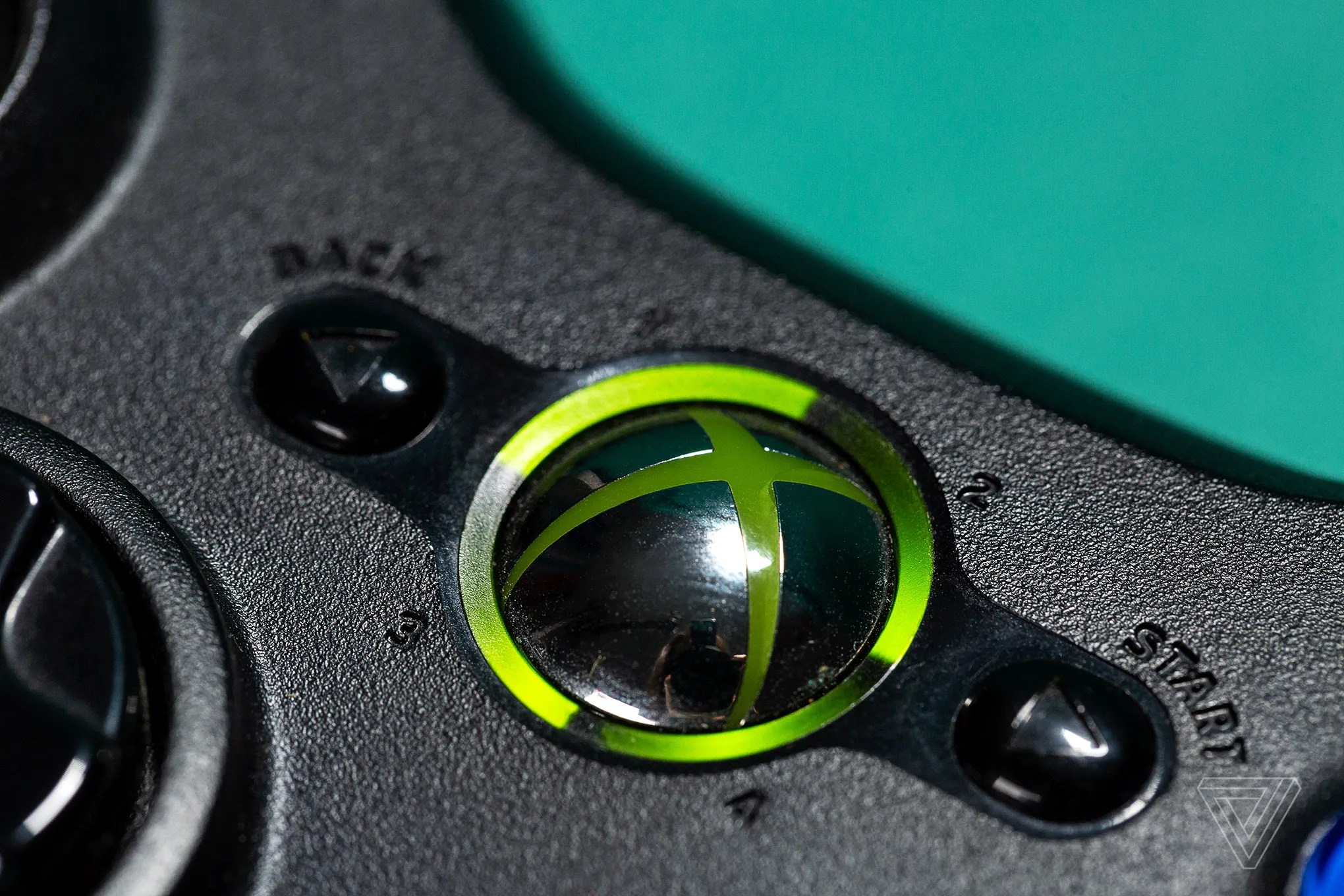
A leaked internal document suggests that Microsoft's upcoming Xbox console, codenamed Project Helix, may be backward compatible with all past Xbox generations, including the original Xbox, Xbox 360, Xbox One, and Xbox Series consoles, as well as PC games. According to the memo obtained by The Verge's Tom Warren, this would make Helix the console with the largest game library to date.
However, the process of achieving this level of backward compatibility is not straightforward. Microsoft still needs to determine whether the console will include a disc drive, and even if it does, some titles may require publishers' approval. Publishers will need to sign off on their old titles being playable on Helix, a decision that will likely involve setting individual prices and choosing whether the game is included in Xbox Game Pass or sold standalone.
The rollout for supporting original Xbox and Xbox 360 games is expected to be slow, with a potential start in 2027. While the launch of Grand Theft Auto VI on November 19 is a major highlight, other upcoming games and integrations, such as Samsung's partnership with Activision for Call of Duty: Modern Warfare 4, are also contributing to an exciting gaming landscape in 2026.
Written by urgent.news from Digital Trends's reporting — not their text. Machine-written — may contain errors; check the original before relying on it.