Gigabyte is launching B550 AM4 motherboards and recommending four-year-old CPUs because the memory crisis is really that bad
AM4 is back on the menu.
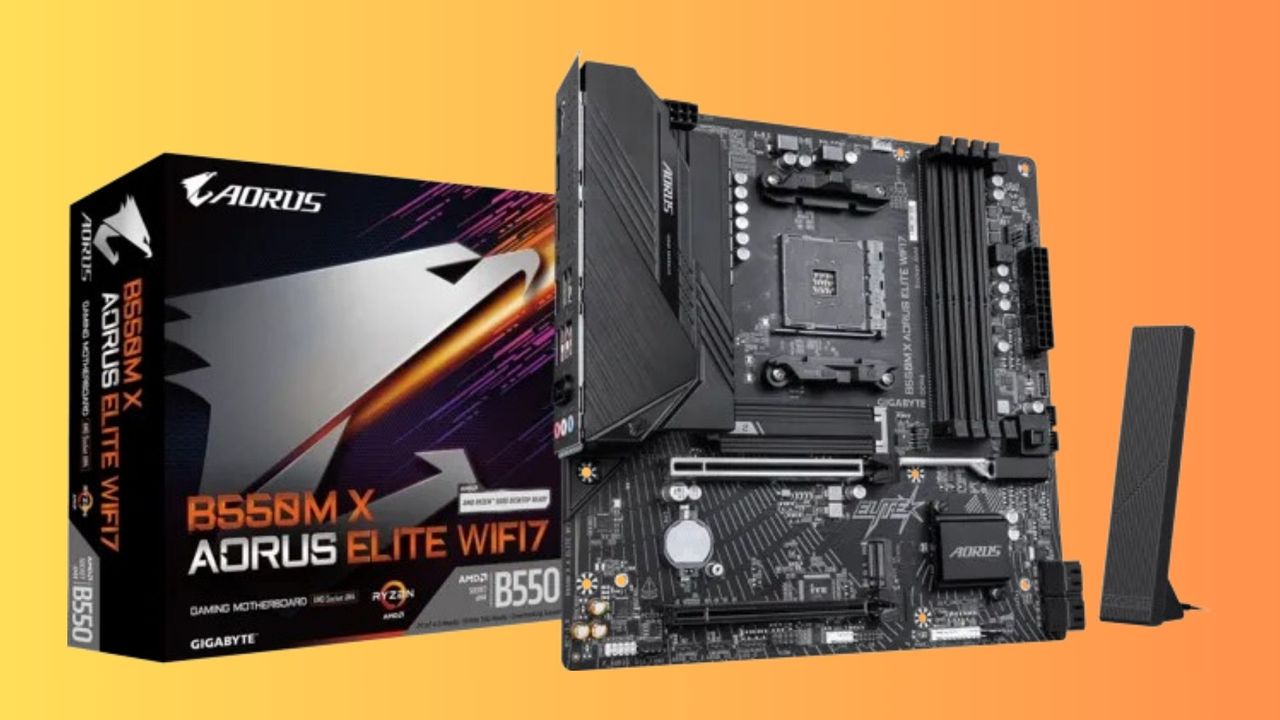
The memory crisis is severely impacting the PC building community, leading manufacturers like Gigabyte to introduce new AM4 motherboards and recommend older CPUs. Gigabyte has unveiled the B550 X Series, designed to accommodate the AMD Ryzen 7 5800X3D, a powerful chip deemed ideal for this platform due to its 8 cores, 16 threads, and 96 MB of L3 cache.
Despite the 5800X3D's base clock being outperformed by the newer Ryzen 7 9800X3D's 4.7 GHz, both share the same cache size. The B550 X Series motherboard includes Wi-Fi 7 connectivity and a 10-phase, 60A DrMPS VRM design with Gigabyte's EZ PCIe latch and EZ-plug features. The primary reason for the shift back to AM4 is the prohibitively expensive DDR5 memory required for AM5 motherboards, while DDR4 prices have also risen, causing overpayment regardless of the build.
The memory crisis, as warned by industry leaders like Samsung, shows no signs of abating soon, with a severe supply shortage projected for 2029. Consequently, budget-conscious consumers may need to rely on older parts, sockets, and memory modules to build a reasonably priced system. While an AM4 rig will still provide decent gaming performance, it highlights the severity of the memory crisis currently plaguing the industry.
Written by urgent.news from PC Gamer's reporting — not their text. Machine-written — may contain errors; check the original before relying on it.