THE CONVERSATION: How to know when fruit and vegetables are still safe to eat
Maximise shelf life and reduce waste with practical guidance on how to make the most of your fresh fruit and vegetables.
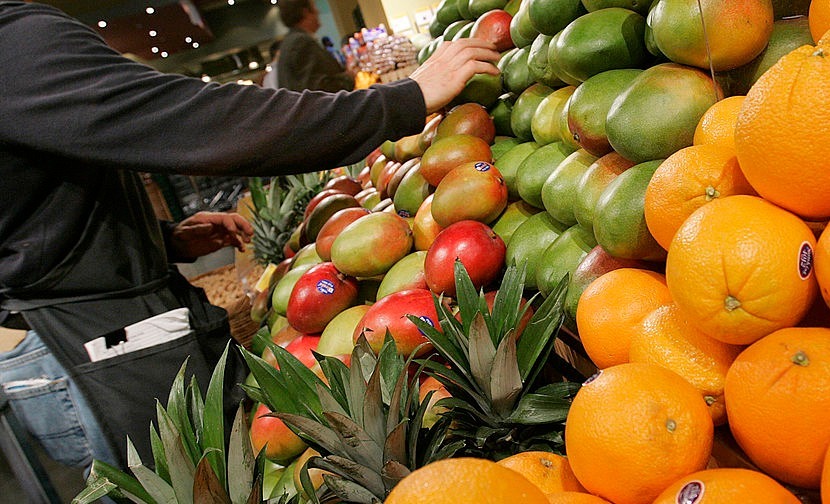
Understanding how to properly store fresh produce can maximize their freshness and keep them safe to eat for longer. Many of us have used produce long after their peak of freshness, potentially exposing ourselves to bacteria, fungi, and other pathogenic microbes that can cause food poisoning.
Fruit and vegetable shelf-life is influenced by various factors, including humidity, temperature, atmospheric gas, light, storage duration, and potential microbial contamination. The ideal storage conditions vary for each fruit and vegetable.
Fruits such as apples, citrus, grapes, and tomatoes have different shelf-lives depending on storage methods. Apples, for example, can last up to four weeks in the fridge, while citrus fruits are good for up to one month. Grapes can last several days at room temperature, extending to two weeks in the fridge. Tomatoes should be allowed to ripen at room temperature before being stored for up to two weeks in the fridge. Cut tomatoes can be consumed if there's no mold present.
Vegetables like carrots, parsnips, cucumbers, lettuce, mushrooms, onions, and potatoes also have specific storage requirements. Carrots and parsnips can be kept for up to a month in the fridge, while cucumbers should be consumed within 1-2 days if cut. Lettuce should be stored in breathable packaging in the salad drawer, while mushrooms prefer breathable bags in the middle of the fridge.
Onions can last over six weeks in a cool, dry, well-ventilated area, but should not be stored with potatoes or other moisture-releasing vegetables to prevent fungal growth.
Proper storage can help minimize waste and prolong the shelf life of produce. Certain fruits and vegetables release ethylene gas during ripening, which can accelerate the spoilage of nearby produce. It's best to avoid storing ethylene-producing fruits, such as bananas and apples, near other fruits and vegetables. Additionally, buying only the amount of produce you'll consume within a few days can help minimize waste.
Written by urgent.news from Daily Maverick's reporting — not their text. Machine-written — may contain errors; check the original before relying on it.