‘DO NOT MENTION ALPR USAGE’: How Cops Are Trying to Hide Their Use of Flock
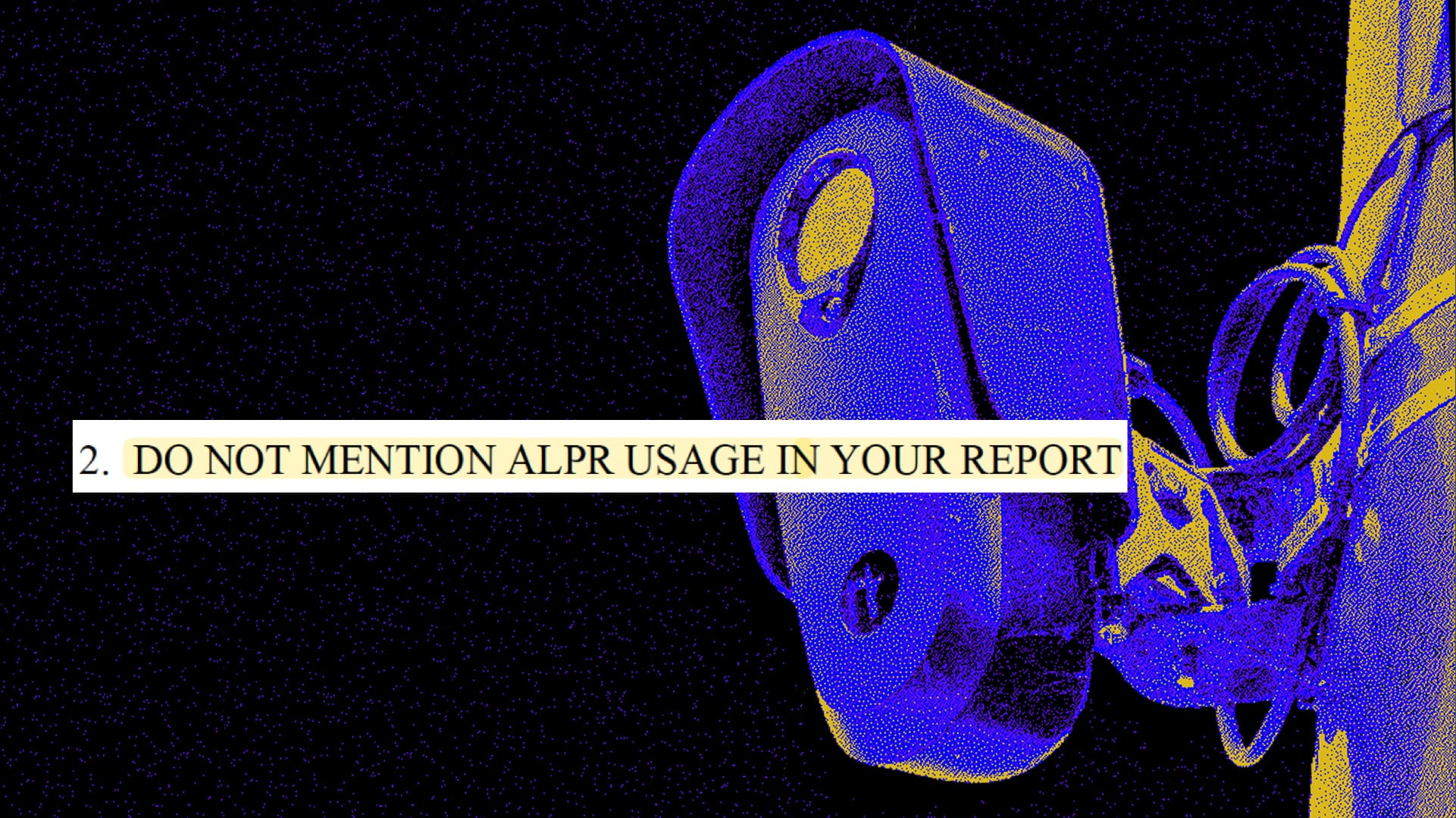
In Wapello County, Iowa, police utilizing Flock's automated license plate reader (ALPR) cameras adhere to a strict policy of concealing such usage. The policy explicitly instructs officers not to mention Flock's usage to those inside the vehicle, nor in their reports or complaints unless absolutely necessary. This guidance document, obtained through a public records request, underscores the contentious nature of Flock's operations, despite the company's claims of transparency and accountability.
Flock operates in numerous municipalities, with inconsistent policing practices, and even the FBI and Department of Justice have advised police to be vague about Flock usage due to potential public records requests. Additionally, residents of many towns express concerns about their cities contracting with Flock without significant public scrutiny.
The Wapello County document, obtained in November 2025, emphasizes the need for police to be vague in arrest reports, suggesting the use of vague language like "county resources." This approach echoes, albeit less aggressively, the tactics employed to shield other covert technologies like cell site simulators, or Stingrays, which have been used to track individuals' phones without public disclosure.
Sheriff Don Phillips of Wapello County asserts that there's no need to inform the public about the use of Flock, stating that the system's effectiveness is verified by deputies during the license plate check process.
Written by urgent.news from 404 Media's reporting — not their text. Machine-written — may contain errors; check the original before relying on it.