Textbook model of hippocampus’s role in memory may need updating
The CA3 region, long thought to have just one circuit, has two, sporting different wiring and functions, a new preprint suggests.
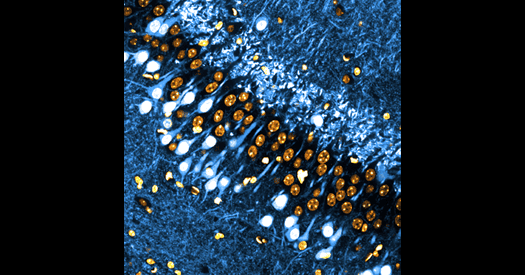
The long-held belief that the CA3 region of the hippocampus functions as a single, interconnected network with a uniform population of pyramidal neurons may be inaccurate, according to a new preprint. This revision of a core memory model has significant implications for our understanding of the brain region's role in storing and recalling memories.
The CA3 region is composed of two distinct types of pyramidal neurons, each with unique morphology, physiology, and connectivity patterns. These differences were identified by analyzing single-cell RNA sequencing data from mice, revealing that one set of neurons, expressing the transcription factor ST18, forms a recurrent network as previously expected.
The other set, lacking ST18, regulates the superficial group. This split in information processing alters our understanding of how CA3 neurons integrate and transmit input signals. The deep CA3 neurons project to a specific region within their hemisphere, while superficial neurons maintain their classic connectivity pattern, connecting broadly to other CA3 neurons and the CA1 region in both brain hemispheres.
This newfound distinction could reshape our understanding of how the hippocampus processes and stores memories, and how it utilizes inputs from the environment. Further studies are needed to determine the functional implications of these distinct cell populations within the CA3 region.
Written by urgent.news from The Transmitter's reporting — not their text. Machine-written — may contain errors; check the original before relying on it.