Spain's Border Crisis Is a Nightmare for Europe's Worried Leaders | Opinion
The sight of 60,000 Moroccans breaking into Spanish territory adds to the "invasion" narrative troubling the European imagination.
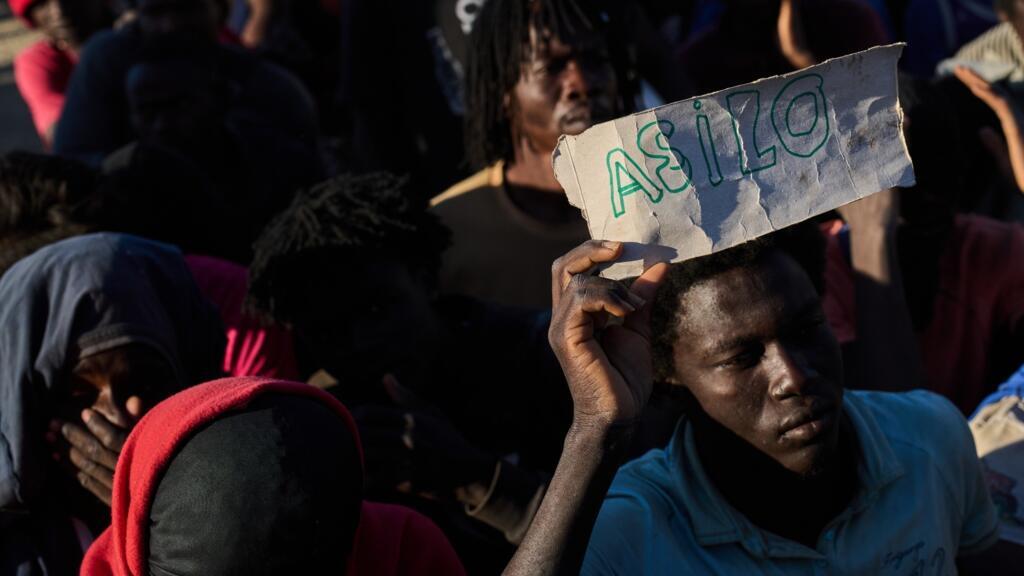
The sight of 60,000 Moroccans entering Spain adds to the invasion narrative that troubles European leaders. This overwhelming influx crystallizes deep anxiety driving politics across the West, with many fearing prosperous liberal societies might lose control over who enters their countries and see their nations overrun. While the extent of the concern is debatable, the images were devastating for Europe's establishment and invaluable for the populist right.
Social media and television screens throughout Europe and North America quickly showcased the footage, fueling widespread anxiety. Italians recalled Lampedusa, targeted by smugglers, while France thought of its banlieues plagued by riots. Germany remembered 2015, when Angela Merkel allowed almost 900,000 Syrian refugees, intensifying the far right's rise.
Brits saw seemingly unstoppable Channel crossings. Some argue the footage resembles the invasion imagery long promoted by anti-immigration movements, even though Ceuta is a geographical anomaly. Migrants who reach Ceuta cannot simply continue into mainland Europe, and many have been misled by false TikTok claims about Spain's borders being open.
Although scores died during crossings, the majority have returned. However, politics is rarely decided by legalities or geography. The invasion narrative dominates, overwhelming nuance. Vice President JD Vance and President Donald Trump condemned the situation, but European politics have already shifted against mass immigration.
Italy's Prime Minister Giorgia Meloni temporarily suspended the Schengen agreement with Spain, while other countries supported the move. Spain, however, remains an outlier. Spain's largest migrant regularization program saw nearly 1.2 million applicants, while Ceuta's inadequate security raises concerns about Europe's weakest link on migration.
Immigration can solve Europe's falling birthrates but may be tone-deaf to the wishes of existing populations. Slower economic growth and diminished living standards might be acceptable to some who prioritize social cohesion and culture over GDP. The paradox of tolerance suggests that liberal democracies must screen immigrants for commitment to constitutional liberalism.
Otherwise, they risk the rise of right-wing populism, reinforcing the MAGA movement's belief in surrendering Europe's borders and civilization.
Written by urgent.news from Newsweek's reporting — not their text. Machine-written — may contain errors; check the original before relying on it.