Solving the solvent problem
By focusing on electrolytes, MIT scientists are making sodium-metal batteries a more practical energy storage option.
Solving the Solvent Problem: A New Approach to Sodium-Metal Batteries
Lithium-ion batteries dominate today's electric vehicle and energy storage industries, but their reliance on critical minerals like lithium, cobalt, nickel, and graphite raises concerns about supply chain disruptions. To develop low-cost, resource-abundant energy storage systems, researchers at MIT led by Ju Li are exploring sodium-metal batteries.
While sodium is abundant and cheaper than lithium, the high reactivity of sodium metal poses a challenge for achieving long-term stability and fast charging/discharging capabilities.
An electrolyte, which facilitates ion movement between electrodes, is a crucial component of batteries. However, most electrolytes in sodium-metal batteries contribute to unwanted chemical reactions with the electrodes, leading to stability issues and reduced battery life. In a new study published in the journal Joule, a team of 15 researchers from MIT presents a solution to this problem.
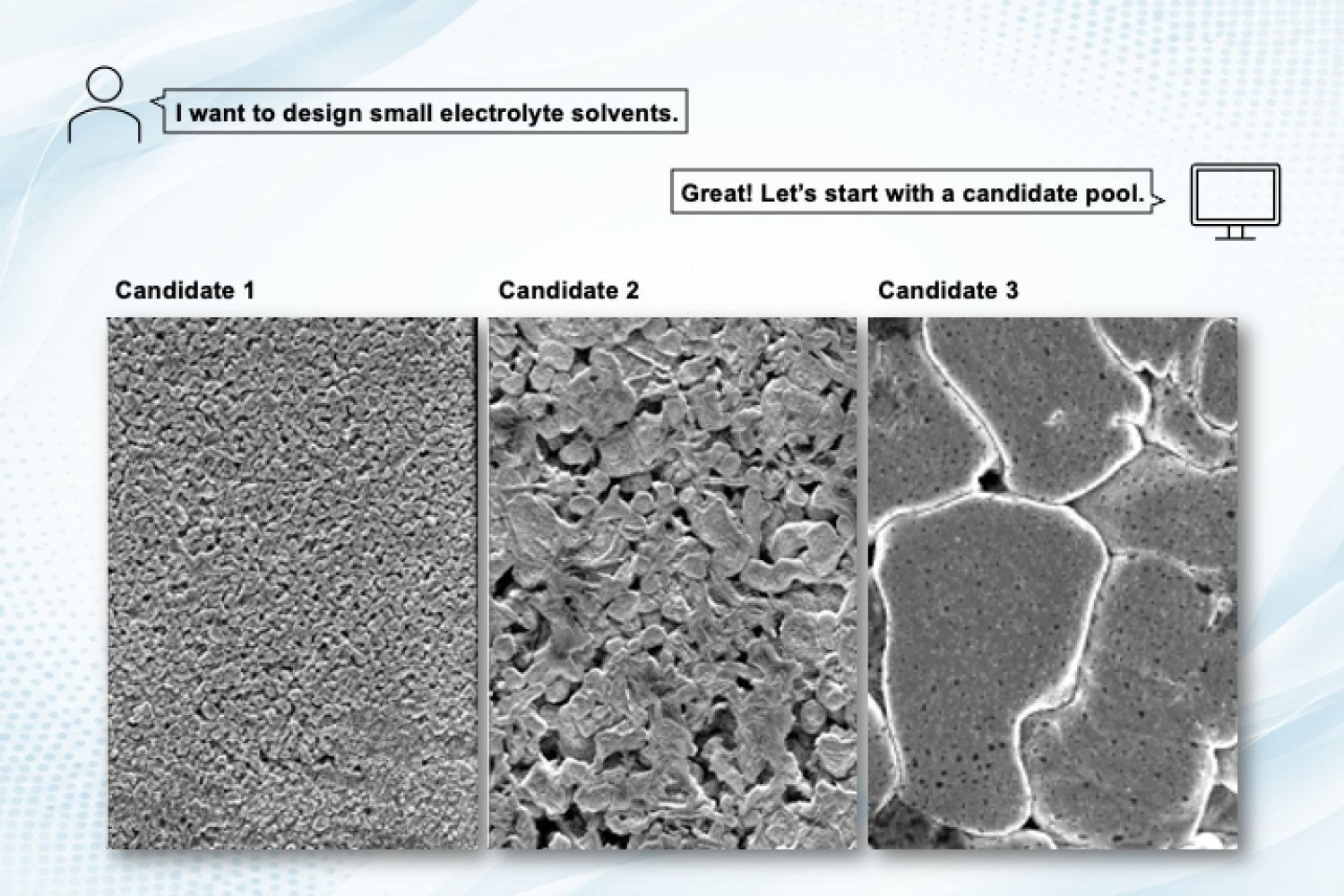
The team discovered that using a smaller, "sulfonamide" solvent molecule, called DMTMSA, can maintain stability in both the anode and cathode of sodium-metal batteries while enabling fast charging and discharging. To identify an even smaller solvent that could improve ion transport without compromising stability, the researchers employed an AI-guided algorithm to design and test 100,000 candidate molecules. The most promising candidate, DMFSA, emerged as the smallest and most effective solvent in the study.
By carefully tailoring the size of solvent molecules, the MIT researchers demonstrate a new design strategy that could lead to lower-cost, higher-performance batteries. This work addresses a persistent challenge in battery research and could significantly impact the electric vehicle and energy storage industries by providing more sustainable and reliable energy storage solutions.
Written by urgent.news from MIT News Research's reporting — not their text. Machine-written — may contain errors; check the original before relying on it.
Also reported by 1 other outlet
- Solving the solvent problem news.mit.edu