NASA Will Attempt to Observe Rocket Part’s Lunar Impact
Using ground-based telescopes and space-based assets, NASA and SpaceX are tracking a used Falcon 9 upper stage from a commercial mission expected to impact the Moon on Wednesday, Aug. 5, near the Einstein and Bell craters. The impact poses no danger to Earth and NASA scientists are planning to collect lunar data from the event […]
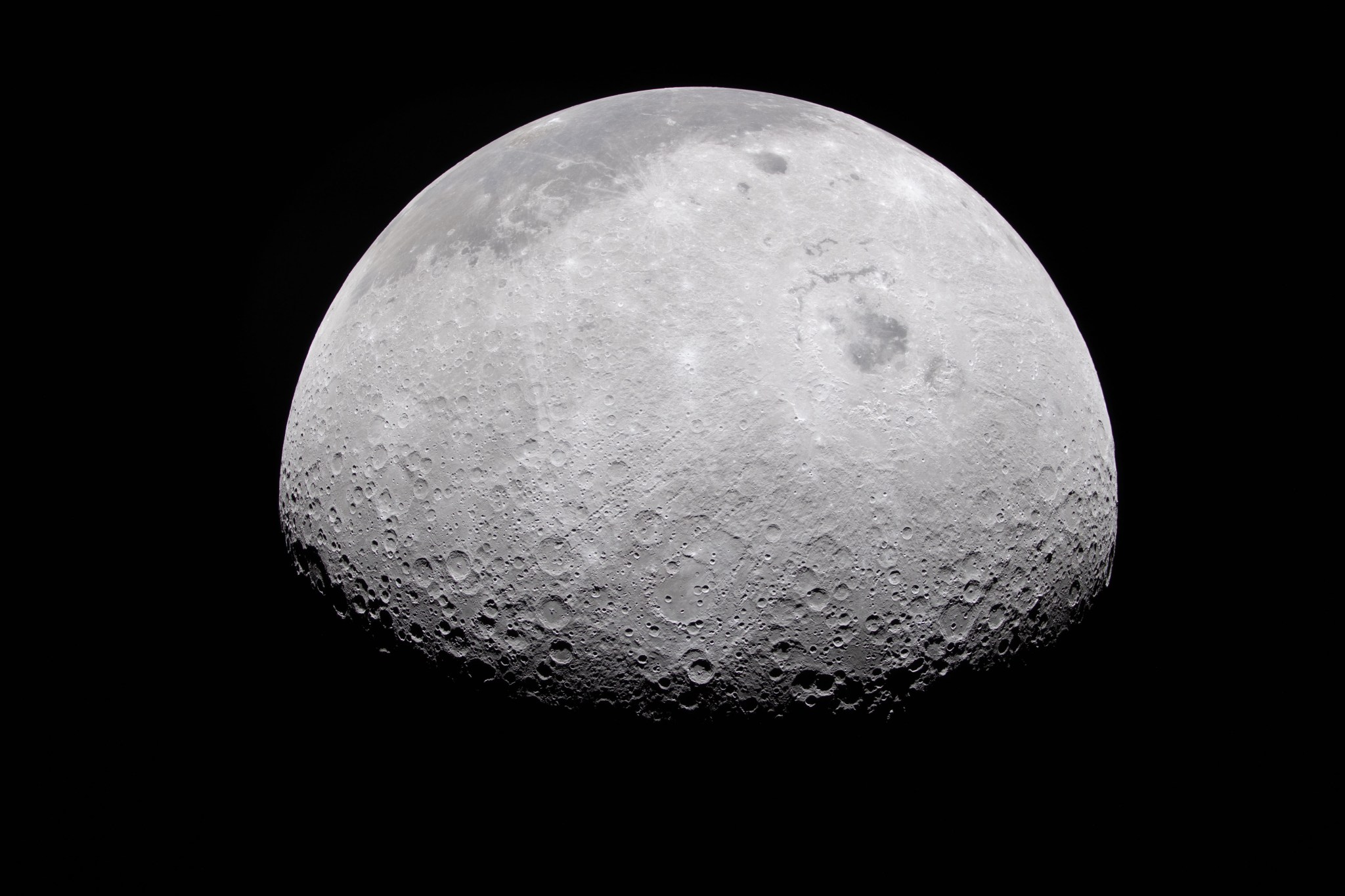
NASA plans to observe the lunar impact of a Falcon 9 upper stage on Aug. 5, 2025. The rocket stage, which was deployed by SpaceX under NASA's Commercial Lunar Payload Services initiative, is expected to crash into the Moon near Einstein and Bell craters. This impact poses no threat to Earth and offers scientists an opportunity to gather valuable lunar data and refine tracking techniques.
The stage's unplanned return to the Moon has been tracked by NASA's Center for Near Earth Object Studies in collaboration with SpaceX. Independent astronomers initially identified the trajectory using publicly available data. NASA's Jet Propulsion Laboratory in Southern California later confirmed the stage will impact the Moon with 100% certainty.
Upon impact, the rocket stage is projected to create a crater approximately 60 feet wide and 12 feet deep, ejecting dust and rock into the lunar surface. While impacts from meteoroids are common, human-made impacts are far less frequent. However, observing such impacts provides insight into ejecta plumes, lunar geology, and aids in modeling future exploration and scientific missions.
The Meteoroid Environments Office at NASA's Marshall Space Flight Center in Huntsville will attempt to observe the impact using ground-based telescopes. NASA's Lunar Reconnaissance Orbiter and the ShadowCam instrument aboard South Korea's Korea Pathfinder Lunar Orbiter may also capture images before and after the event, depending on lighting, orbital timing, and spacecraft positioning. The collected data will contribute to a better understanding of artificial impacts and their implications for space exploration.
Written by urgent.news from NASA's reporting — not their text. Machine-written — may contain errors; check the original before relying on it.