Migration: EU issues all-clear after Ceuta chaos and invokes unity
EU countries blame "criminal smugglers" for the rush of migrants into the Spanish exclave in North Africa. Investigations into the background are ongoing.
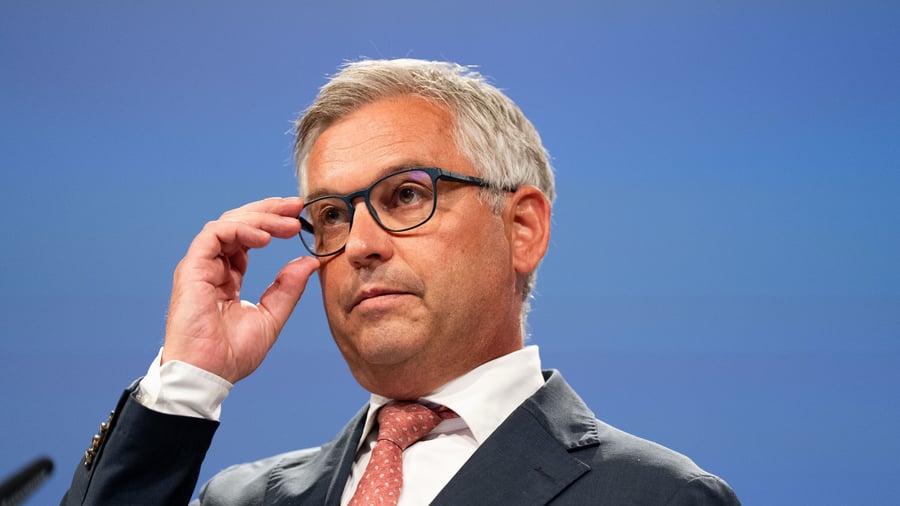
On Tuesday, the European Commission issued a reassurance following a chaotic influx of thousands of migrants onto the Spanish enclave of Ceuta in North Africa. EU Commissioner for Migration, Magnus Brunner, declared at a Brussels press conference that the situation was under control. The Spanish Interior Minister, Fernando Grande-Marlaska, reassured his European counterparts in an emergency video conference, adding that none of the 72,000 migrants who had attempted to reach Ceuta last week had entered the Schengen area.
According to the minister, only 2,000 migrants remained in Ceuta, with the rest returning to Morocco. Seventy-five people died during the incident. Brunner described the events as a "test of European resilience and the security of European external borders." The EU Commissioner attributed the quick response to the ongoing cooperation between Spain, Morocco, and the EU Commission.
Brunner stated he had already identified the perpetrators - "people traffickers and smugglers" who had lured migrants to Ceuta using "false information on social media." The EU relies on deals with third countries, and Brunner pointed to the country's new migration guidelines, particularly the concept of safe third states. Migrants who enter the EU irregularly from such countries can be sent back there.
Airdrop centers in safe third countries have been part of EU migration policy since June. Countries seeking to establish such centers can negotiate possible locations with third countries independently. Italy, for instance, might engage in talks with Uganda and Rwanda, while Greece is reportedly active. These facilities would allow asylum applications to be filed far from the EU border and prevent migrants from further travel into the EU.
Italy's Interior Minister Matteo Piantedosi said during a Brussels press conference that the model is "the strongest deterrent." Two large and expensive centers, opened in 2024, are currently empty due to unresolved legal issues. The Italian government plans to resume using them by the end of 2026, provided the European Court of Justice clears the way.
The EU's Border Protection Force, Frontex, will receive a new mandate in the autumn. The EU Commission offered Spain operational and financial support during the Ceuta crisis last Thursday, which would have included the deployment of Frontex. Spain, however, had not formally requested this assistance before. Spain argued that its national security forces were sufficient in dealing with the situation.
Brunner praised Madrid's actions on Tuesday but emphasized that Spain did not request assistance during previous crises, such as in 2021 when 10,000 migrants arrived in Ceuta. Spain claimed it had not received any intelligence reports warning of a mass influx.
Written by urgent.news from Handelsblatt's reporting — not their text. Machine-written — may contain errors; check the original before relying on it.