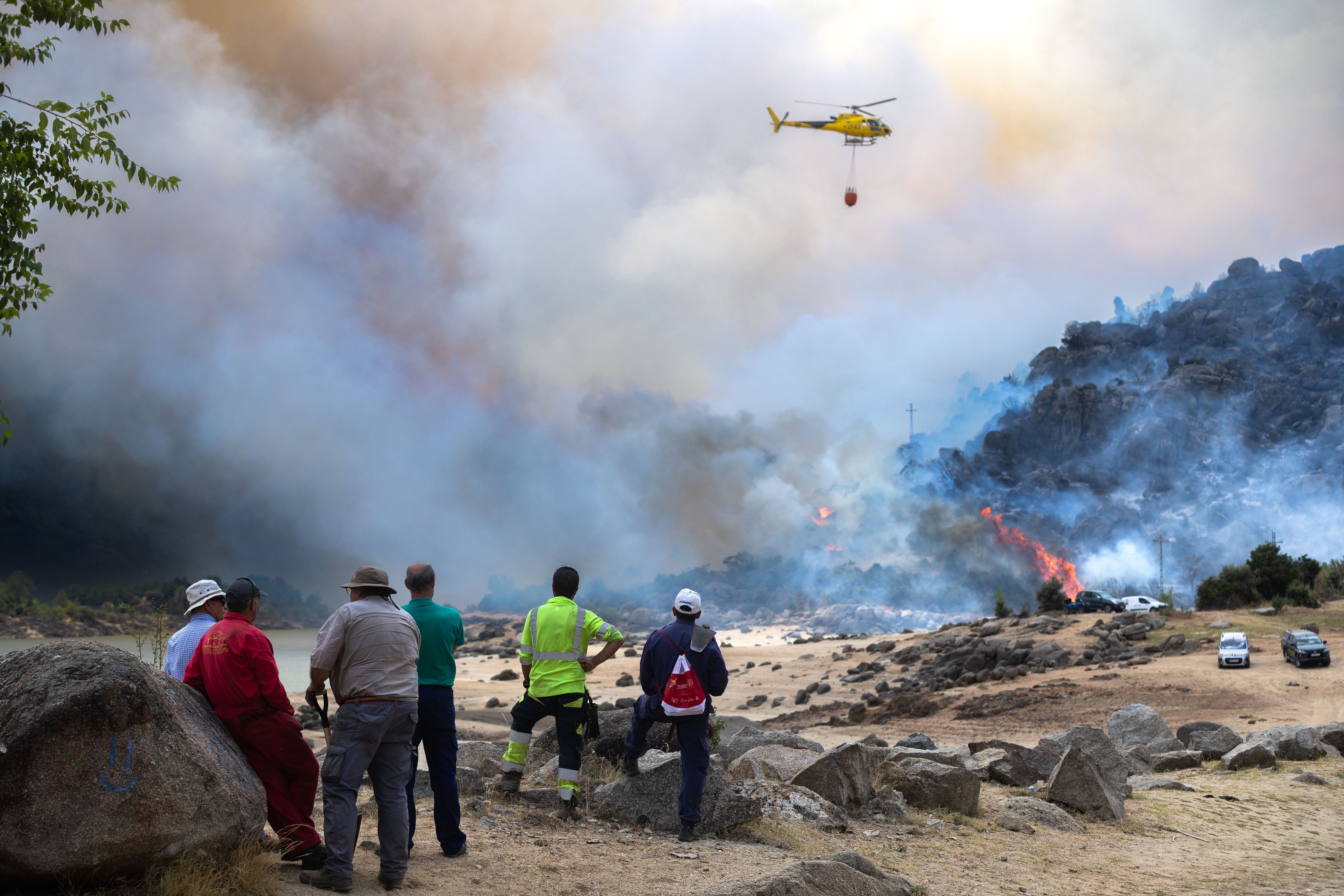
Conflict with Israel: Further talks between Israel and Lebanon in Rome
Tensions between Israel and Hezbollah continue. At the same time, however, direct talks between the two countries are ongoing. What are they about?
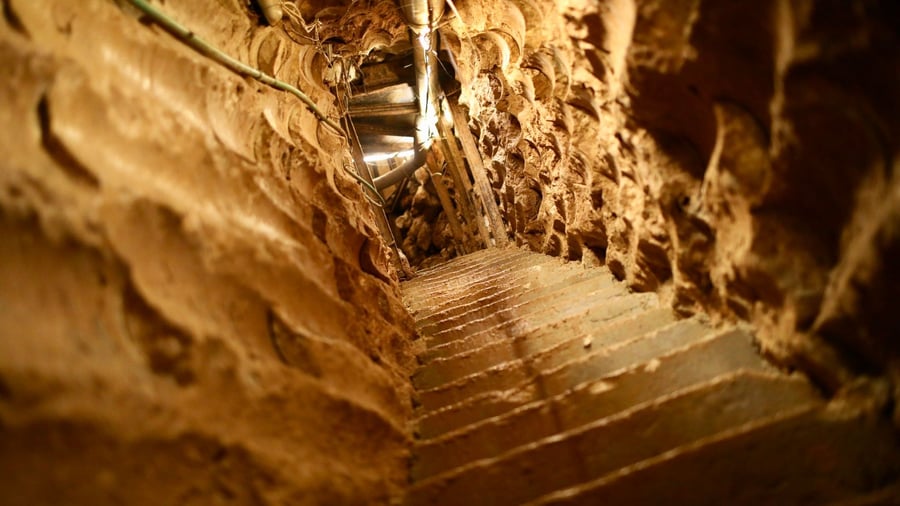
Amid ongoing tensions, Israeli and Lebanese government representatives are meeting again today for direct political talks in the Italian capital Rome, focusing on the further implementation of their security agreement. The underground tunnel system of the Lebanese Hezbollah is set to be a central topic, according to Lebanese government sources.
Lebanese reports and eyewitnesses state that the Israeli military carried out one of the heaviest waves of destruction since the start of the ceasefire in June over the weekend. There were explosions and targeted destruction in several locations, the state news agency NNA reported.
Tunnel as part of Hezbollah's military structure
Hezbollah has built up an underground military structure over decades that Israel views as a threat. The tunnel network of the Iran-backed organization includes command centers, weapon depots, launch positions, supply corridors, and protected connections that enable fighters to move underground, according to observers and experts.
The tunnels are an "extremely important" component of Hezbollah's military infrastructure, said Lebanon expert Nicolas Blanford of the Atlantic Council think tank in Washington to the German Press Agency. Fighters can move undetected underground through them. The tunnel system extends over several parts of the country into the northern part of the Bekaa Valley. The tunnel network is not nationwide interconnected.
Israel has repeatedly warned of the danger that Hezbollah fighters - also using the tunnel system - could launch a large-scale attack on northern Israel following the model of the Hamas attack on October 7, 2023. The Washington Post reported more than two years ago, citing a Hezbollah representative, that the elite unit Radwan was created for offensive operations, including cross-border attacks on Israel.
Expert: Strategy against Israel's military superiority
The relocation of military infrastructure underground has fundamentally changed the battlefield, said Lebanese military expert Munir Schehadeh. Israel is superior to Hezbollah and has air power, satellite reconnaissance, drones, electronic surveillance, and precision-guided weapons. "The goal was to build an underground military infrastructure that protects fighters, weapons, and command centers and at the same time maintains operations even under intense air attacks."
Over the years, Hezbollah has invested heavily in its underground warfare. The system has fulfilled many of its intended goals, even if it did not prevent Israel from entering southern Lebanon and destroying significant parts of the organization's military infrastructure.
Satellite images show that Israeli bombing and destruction operations in some villages in southern Lebanon have caused massive destruction, according to Schehadeh. Israel destroys tunnels in Lebanon repeatedly
The Israeli military has repeatedly destroyed Hezbollah tunnels in Lebanon over the years - including some that extended into Israel. Lebanese reports state that residential areas were also damaged during these operations. The UN peacekeeping forces in Lebanon also discovered a comprehensive tunnel network in the south of the country in the summer of 2025.
Recently, Israel's army destroyed a tunnel of the Shiite organization in the area of the historically and strategically important Beaufort Castle in southern Lebanon, according to Israeli reports. Around 700 tons of explosives were used in the operation. The castle was not damaged, according to Israeli and Lebanese reports. Lebanon's news agency reported that a 1,200-meter-long area from the southern end of the castle was "completely devastated".
Talks in Rome
The Lebanese and Israeli governments have been holding direct political talks since mid-April, for the first time in decades. The two neighboring states do not have diplomatic relations. The talks are mediated by the US, with Hezbollah not participating. Despite a ceasefire, the Israeli military remains stationed in southern Lebanon and continues to carry out airstrikes. Hezbollah itself has not carried out any attacks against Israel since the start of the recent ceasefire.
The latest framework agreement provides for both the withdrawal of Israeli troops from southern Lebanon and the disarmament of Hezbollah by the Lebanese army. Neither point has been implemented so far. Israel is making its continued military presence dependent on progress in the disarmament of Hezbollah. Hezbollah, in turn, is making cooperation dependent on an Israeli withdrawal.
The Lebanese government has limited capabilities to implement Israeli demands. The Lebanese armed forces are considered significantly weaker than Hezbollah. The government also wants to avoid internal political tensions if it takes action against the militia.
Translated by urgent.news. Machine-written — may contain errors; check the original before relying on it.