Kioxia and Sandisk demonstrate the world's highest-density 3D NAND flash — 332 active layers and up to 4,800 MT/s interface
Kioxia and Sandisk introduce BiCS10 3D QLC NAND device with a record areal density of over 37 Gbit/mm^2.
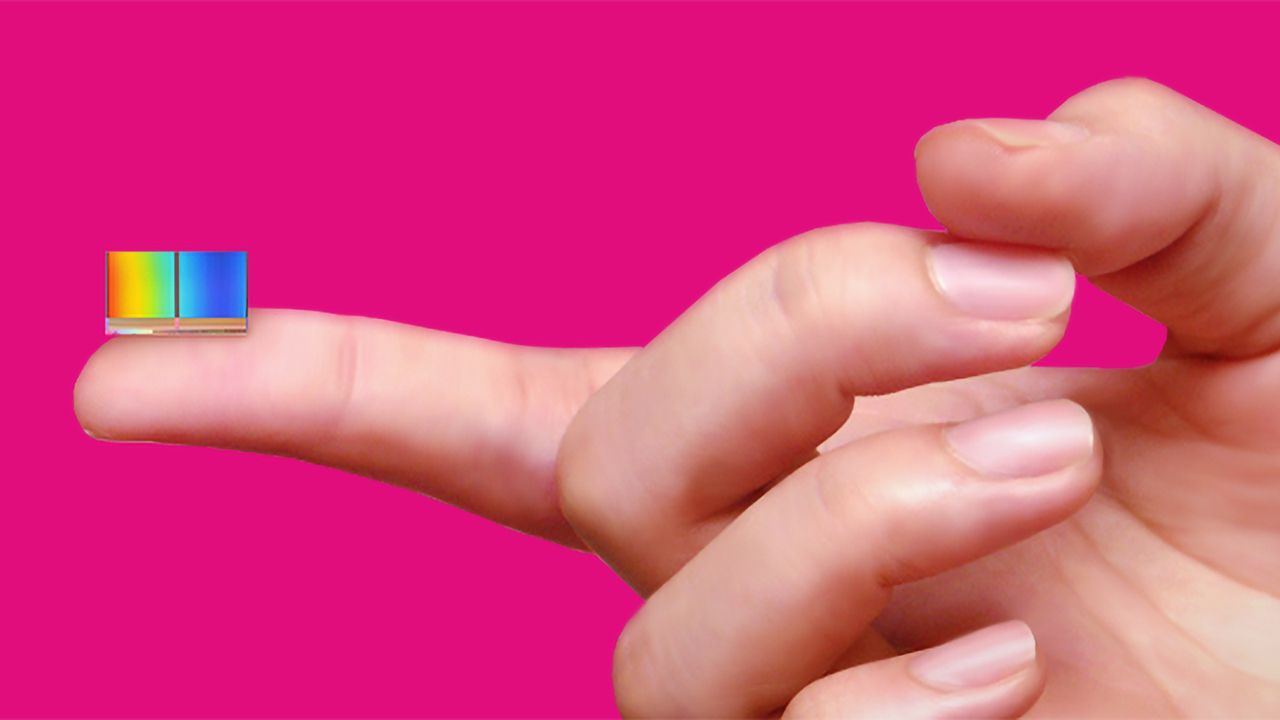
Kioxia and Sandisk showcased the world's highest-density 3D NAND flash technology at the Future of Memory and Storage Conference. The new BiCS10 3D QLC NAND device, boasting 332 active layers and a maximum interface speed of 4,800 MT/s, breaks the record for areal density at 37 Gb/mm². As part of Kioxia's and Sandisk's BiCS 3D QLC NAND progression, this innovation outperforms their previous BiCS10 3D TLC NAND device, which achieved over 29 Gb/mm².
Although the IC's total capacity is undisclosed, estimates predict a capacity of 1.33 Tb, based on comparisons with the recently launched 1 Tb BiCS10 3D TLC NAND chip. By introducing this record-breaking 332-layer memory device, Kioxia and Sandisk aim to cater to high-capacity data center-grade solid-state drives that seek to maximize storage density while maintaining high performance and lower power consumption.
The companies' implementation of the power-isolated low-tapped termination (PI-LTT) technique further aids in reducing power consumption without compromising signal integrity. Kioxia and Sandisk's commitment to this advanced 3D NAND technology will likely lead to ultra-high-capacity SSDs at competitive prices or increased margins through similar pricing structures.
Written by urgent.news from Tom's Hardware's reporting — not their text. Machine-written — may contain errors; check the original before relying on it.
This story
This is one outlet's version. Read the fullest account.