Iraq struggles with July salary payments as oil revenue fails to cover budget
Iraq has not paid July salaries to many public employees, with the country still struggling to close a fiscal gap due to plummeting oil revenue caused by the closure of the Strait of Hormuz . Iraq, Opec’s second-largest producer , has been hit hard by the Iranian blockade of the waterway since the regional war broke out in late February. Its oil exports have plunged from about 100 million barrels…
Iraq faces a critical financial predicament as it grapples with the delayed payment of July salaries to government workers. The country's inability to meet its fiscal obligations stems from a sharp decline in oil revenue, a direct consequence of the closure of the Strait of Hormuz. This narrow waterway, crucial for Iraq's oil exports, has been under blockade since the conflict escalated in late February.
Consequently, Iraq's oil production plummeted from roughly 100 million barrels in February to approximately 32.1 million barrels in May and June, significantly reducing the nation's oil revenue, which constitutes over 90% of its budget.
The government's financial strain is further exacerbated by a monthly expenditure of around $6.5 billion on salaries, pensions, and welfare programs. Other substantial expenses include payments to energy companies, purchases of natural gas and electricity from Iran, and outstanding debts to bondholders, contractors, and farmers.
In response to this dire situation, Iraqi Finance Minister Falih Sari has formally requested an appearance before parliament to address the "current financial and economic situation" and outline the major challenges confronting public finances amidst the ongoing regional developments.
To cope with the cash flow issues, officials are contemplating the payment of salaries every 45 days. However, this measure may not be sufficient, as the central bank's foreign currency reserves have dwindled by 6.3% since the end of last year, standing at $91 billion by the end of May. The bank's dwindling reserves have made it difficult to meet financial commitments, and Iraq may resort to paying salaries in arrears to ensure that employees receive their due pay.
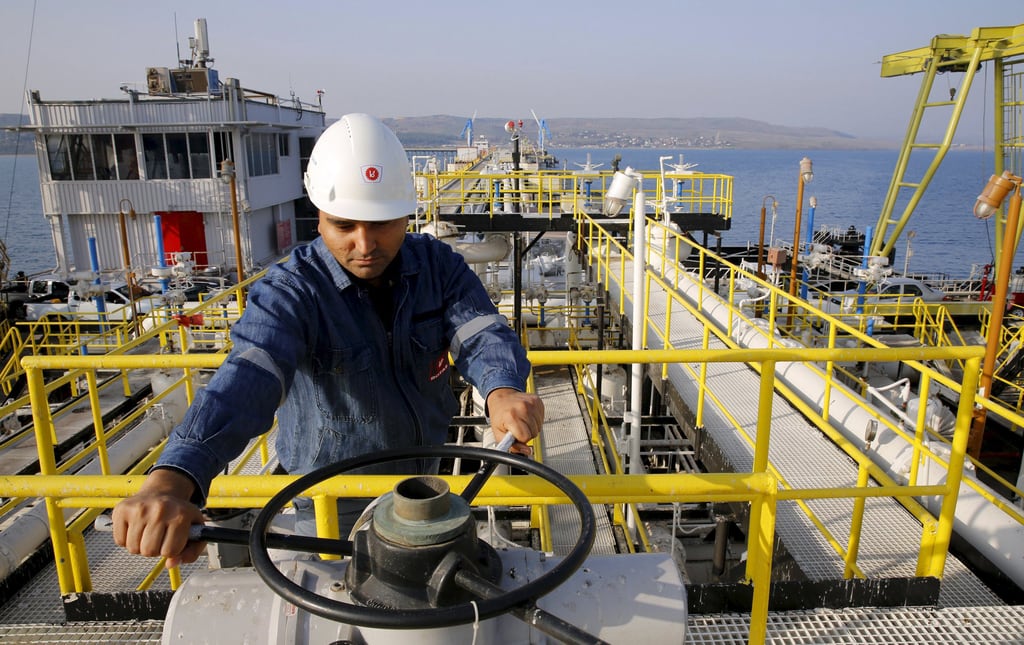
Despite the bleak outlook, Iraq has managed to increase its crude exports by a marginal 10% in July, reaching about 42 million barrels, according to Ali Al Shatari, director general of the State Oil Marketing Organisation. The majority of these exports are shipped from southern Gulf terminals, while a small portion is transported through the Iraq-Turkey pipeline to the Mediterranean port of Ceyhan.
The government is pursuing a strategic vision to bolster Iraq's oil sector and augment exports via Turkey. Moreover, Iraq and Turkey have extended their oil export agreement by another year, allowing Iraq to pump 750,000 barrels of oil daily through the pipeline to Ceyhan. This arrangement, which includes a $1.62 per barrel tariff to cover pipeline maintenance, aims to give Iraq and Turkey time to negotiate a more comprehensive deal covering various sectors, primarily energy.
Written by urgent.news from The National UAE's reporting — not their text. Machine-written — may contain errors; check the original before relying on it.