HPV Infection and Esophageal Cancer
(MedPage Today) -- In 1976, German virologist Harald zur Hausen, MD, DSc, proposed that human papillomavirus (HPV) causes cervical cancer, countering the widely held belief that herpes simplex virus caused the cancer. Seven years later, he proved...
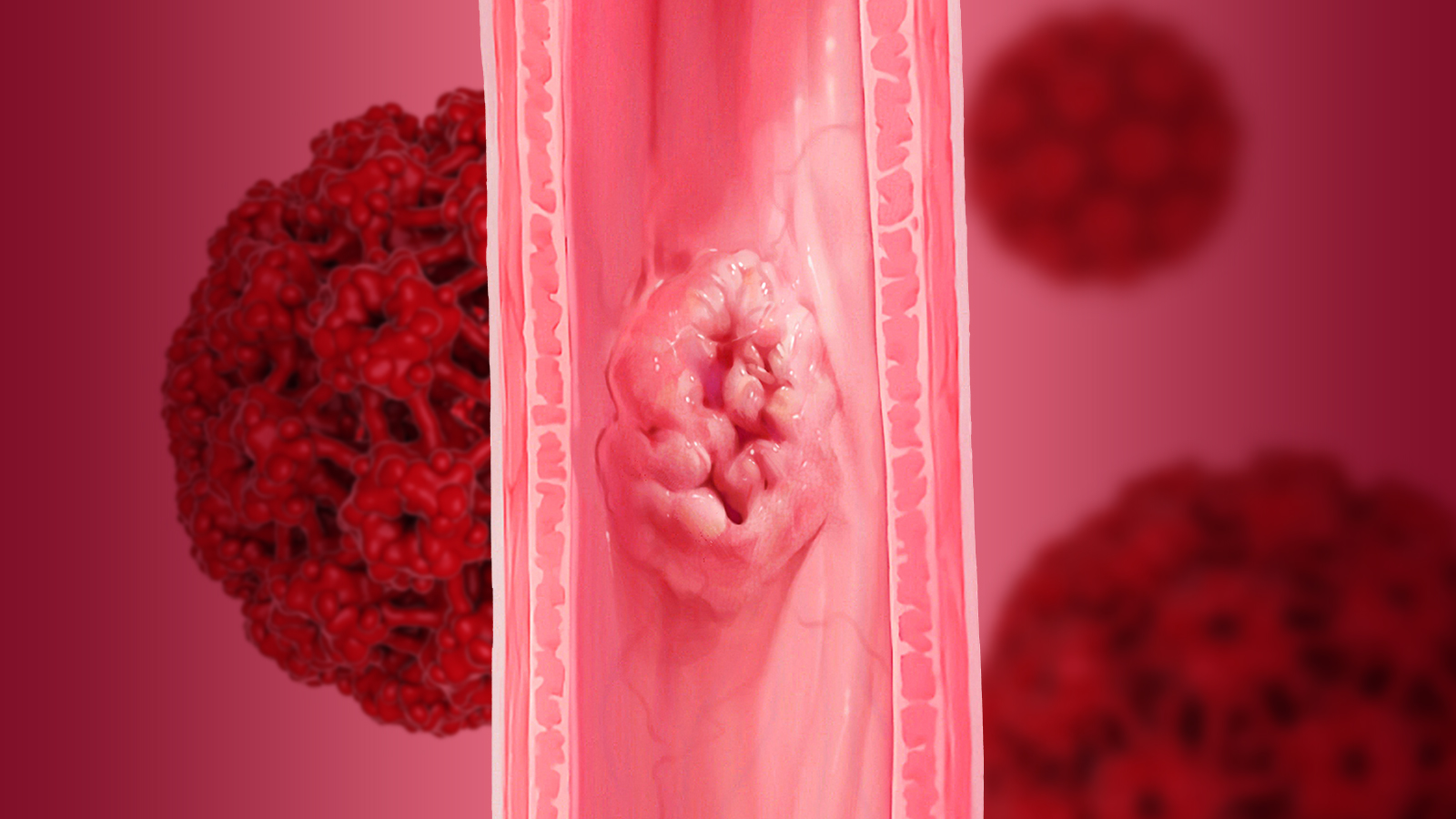
In 1976, German virologist Harald zur Hausen first suggested that human papillomavirus (HPV) could cause cervical cancer, challenging the prevailing notion that herpes simplex virus was responsible for the disease. Subsequent research confirmed that HPV DNA was integrated into cervical cancer cells, expanding the scope of HPV's role to include anal, penile, vulvar, vaginal, and oropharyngeal cancers.
Recent studies have also found links between HPV and certain gastrointestinal cancers, particularly anal cancer, gastric, and colorectal cancer.
A review of existing research found varying rates of HPV positivity in esophageal adenocarcinoma (EAC), which is the most common type of esophageal cancer in the United States. The estimates ranged from 13% to 35%, with some studies showing as high as 93% in specific populations. However, these figures tend to be much higher in Asian countries, where the incidence of esophageal cancer is also significantly higher than in the U.S.
The exact prevalence of HPV-positive esophageal cancer in the U.S. remains unclear, but experts suggest it is likely lower than the rates seen in Asia. Allan Lima Pereira, a researcher at Moffitt Cancer Center, estimated that the HPV-positive rate in the U.S. might be in the low single digits, much lower than the 20% prevalence often cited from Asian studies.
The connection between HPV and esophageal cancer is still controversial, with multiple studies providing some supporting evidence. The presence of papillomatous lesions in the esophagus and the high-risk HPV genotypes 16 and 18 being linked to Barrett's dysplasia and EAC are among the pieces of evidence supporting a potential relationship.
However, the overall scientific consensus is that the link is not strong enough to definitively establish HPV as a causal factor in esophageal cancer, particularly adenocarcinoma. More research is needed to clarify the role of HPV in esophageal cancer, especially considering the predominance of observational studies and the limited mechanistic evidence.
Written by urgent.news from MedPage Today's reporting — not their text. Machine-written — may contain errors; check the original before relying on it.