HPE brings quantum computing to real-world use cases with HPC and AI
Quantum hybrid computing is moving from a hardware race to an integration challenge — and Hewlett Packard Enterprise Co. is positioning itself around the infrastructure layer that connects quantum with HPC and AI. During HPE’s World Quantum Day event, researchers, national laboratory representatives and analysts reached a similar conclusion: Quantum will not replace today’s systems. Instead, it…
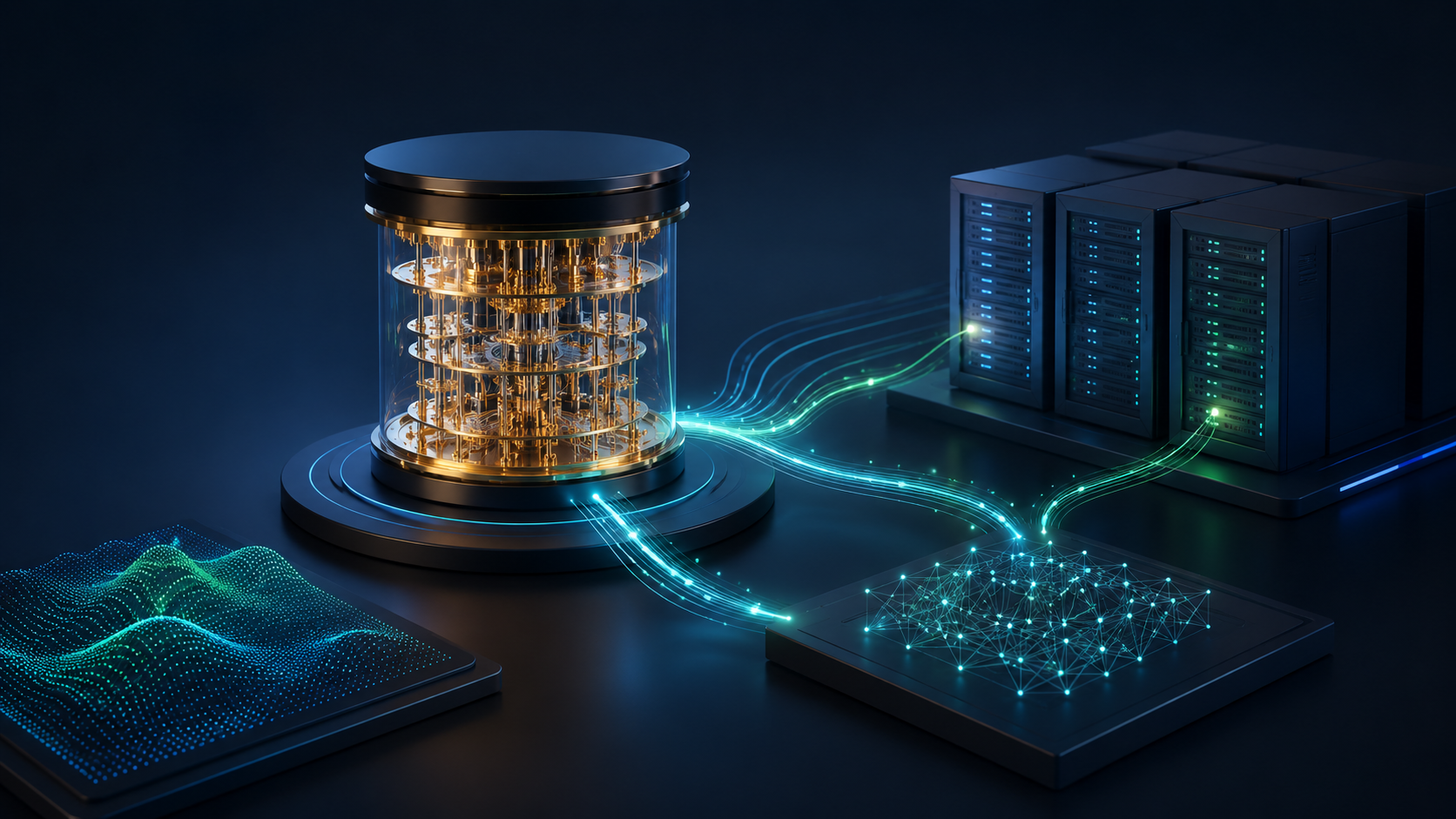
Hewlett Packard Enterprise (HPE) is focusing on integrating quantum computing with high-performance computing (HPC) and artificial intelligence (AI) environments. During HPE's World Quantum Day event, experts agreed that quantum computing will not replace current systems but will become another valuable capability within them. Dave Vellante, chief analyst at theCUBE Research, stated that quantum computing will extend classical computing rather than replace it.
The industry's focus has shifted from building general-purpose quantum computers to integrating quantum technology with high-performance computing. Early predictions about the rapid commercialization of quantum computers proved to be overly optimistic. Instead, near-term applications for quantum computing are focused on specific areas such as molecular simulation, materials discovery, optimization, and scientific workloads where quantum effects play a significant role.
Paul Gillin, enterprise editor at SiliconANGLE Media, noted that the industry's main challenge now lies in integrating quantum systems into existing computing environments seamlessly. This integration involves addressing issues like error correction, fault tolerance, software integration, and workflow design. The goal is to create a unified system where different computing architectures work together harmoniously.
Oak Ridge National Laboratory's Paul Gillin emphasized that quantum computing will complement existing systems rather than replace them. The industry now views quantum as a valuable accelerator in supercomputing environments, similar to how CPUs and GPUs work together in modern supercomputers. Researchers are focusing on creating a seamless user experience by integrating quantum systems into existing computing workflows.
A key initiative in this space is the Open Quantum-HPC Software Ecosystem (openQSE), which aims to address the full-stack challenge of integrating quantum systems with existing HPC workflows. Different quantum technologies present unique constraints, and middleware must accommodate these differences to ensure a seamless user experience. High-level tools, such as Python for quantum, are also essential for expanding quantum programming beyond specialists.
In summary, HPE's approach to quantum computing involves integrating it with HPC and AI environments rather than replacing them. The industry's focus is on building hybrid systems that can seamlessly integrate quantum computing with classical computing resources, allowing researchers and enterprises to apply quantum technology selectively to problems beyond the reach of current systems.
Written by urgent.news from SiliconANGLE's reporting — not their text. Machine-written — may contain errors; check the original before relying on it.