Genome Mapping Reveals Autoimmune Disease Risk Genes in Innate Lymphoid Cells
ILC3s help regulate inflammation and maintain barrier integrity, but their rarity has made them difficult to study with conventional genome-organization methods. The post Genome Mapping Reveals Autoimmune Disease Risk Genes in Innate Lymphoid Cells appeared first on GEN - Genetic Engineering and Biotechnology News .
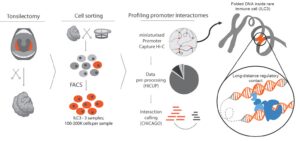
A new study in Nature Genetics explores how genes influence autoimmune disease risk in rare immune cells, called type 3 innate lymphoid cells (ILC3s). These immune cells, found in the gut, airways, and mucosal lymphoid tissues, help regulate inflammation and maintain barrier integrity. Traditionally, understanding disease risk variants has focused on their nearest genes, but this study used a low-input, high-resolution Promoter Capture Hi-C (PCHi-C) method to map long-range DNA interactions in ILC3s.
This approach enabled researchers to link Crohn's disease risk variants to over 100 candidate genes, including both known inflammatory bowel disease genes and unexpected ones, such as CLN3, known for its role in Batten disease. The findings suggest CLN3 may regulate inflammatory activity in ILC3s, although it's not yet established as a causal gene in Crohn's disease.
The study also revealed that genes linked to ILC3s are enriched for regulators of the ILC3 inflammatory response, as identified in a CRISPR interference screen. Future research will focus on clarifying CLN3's influence on immune-cell function and testing pathways that could explain disease mechanisms.
Written by urgent.news from GEN Biotechnology's reporting — not their text. Machine-written — may contain errors; check the original before relying on it.
Also reported by 1 other outlet
- 3D genome mapping in rare immune cells reveals new Crohn's disease genes medicalxpress.com