'Fitspo content' worse than modelling industry for woman's eating disorder
An avalanche of "toxic fitspo content" online was the catalyst for Isabella Charon's eating disorder, but what kickstarted it had been her time within the modelling industry.
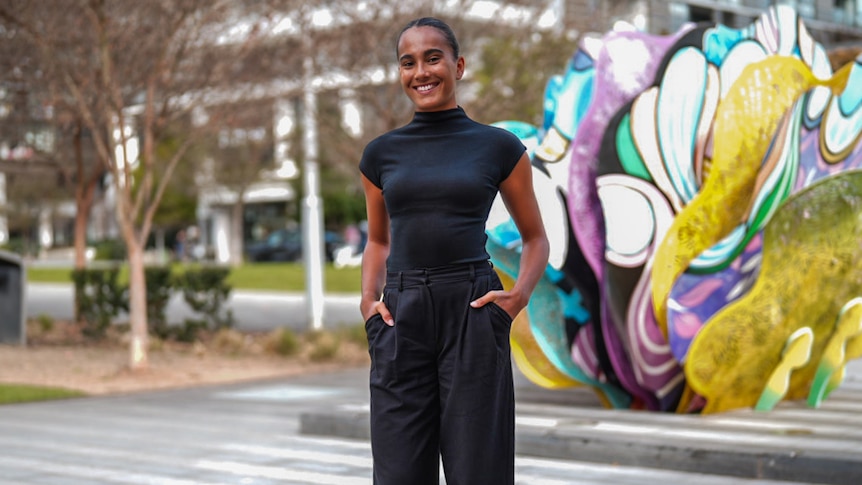
Isabella Charon's descent into an eating disorder began in her teenage years, fueled by toxic fitspo content and the demanding standards of the modelling industry. At 14, she started modelling, becoming acutely aware of the unrealistic body measurements and ideals imposed on models. During a COVID-19 lockdown in her late teenage years, Charon's warning signs of an eating disorder intensified as she was inundated with harmful fitspo content.
This online content, designed to promote an active lifestyle, often verged on extreme dieting and physical activity, leading Charon to neglect her nourishment, isolate herself, and avoid social gatherings.
The Butterfly Foundation's recent survey revealed that approximately 4% of Australians suffer from an eating disorder, with a significant number of young people experiencing negative body talk. About half of the respondents admitted to skipping meals due to dissatisfaction with their bodies, while an overwhelming 84% found it challenging to speak positively about their appearance.
One-third of participants admitted that their body image concerns hindered their ability to engage in various aspects of life, such as shopping for clothes, pursuing romantic relationships, or participating in physical activities.
The foundation's head of prevention services, Helen Bird, emphasized that negative self-talk is cumulative and entrenched, making it difficult for individuals to take care of themselves. She stressed that body image issues are influenced by various factors, such as growing up in a household where family members make negative comments about their own bodies or participating in sports environments where coaches praise lean teammates.
Additionally, conversations in classrooms about eating habits and labeling foods as "good" or "bad" can contribute to body image concerns.
Charon's recovery journey has been non-linear, but she has overcome her eating disorder with the support of her family, partner, and professional help. She encourages those concerned about a loved one to engage in gentle conversations and seek resources. The survey also found that nearly half of parents felt unsure about where to turn for support if their child experienced body image concerns or an eating disorder.
Bird recommended the Butterfly Foundation's BodyKind program, a free annual initiative that promotes positive health behaviors and helps young people engage in intuitive and enjoyable eating.
Written by urgent.news from ABC News AU's reporting — not their text. Machine-written — may contain errors; check the original before relying on it.