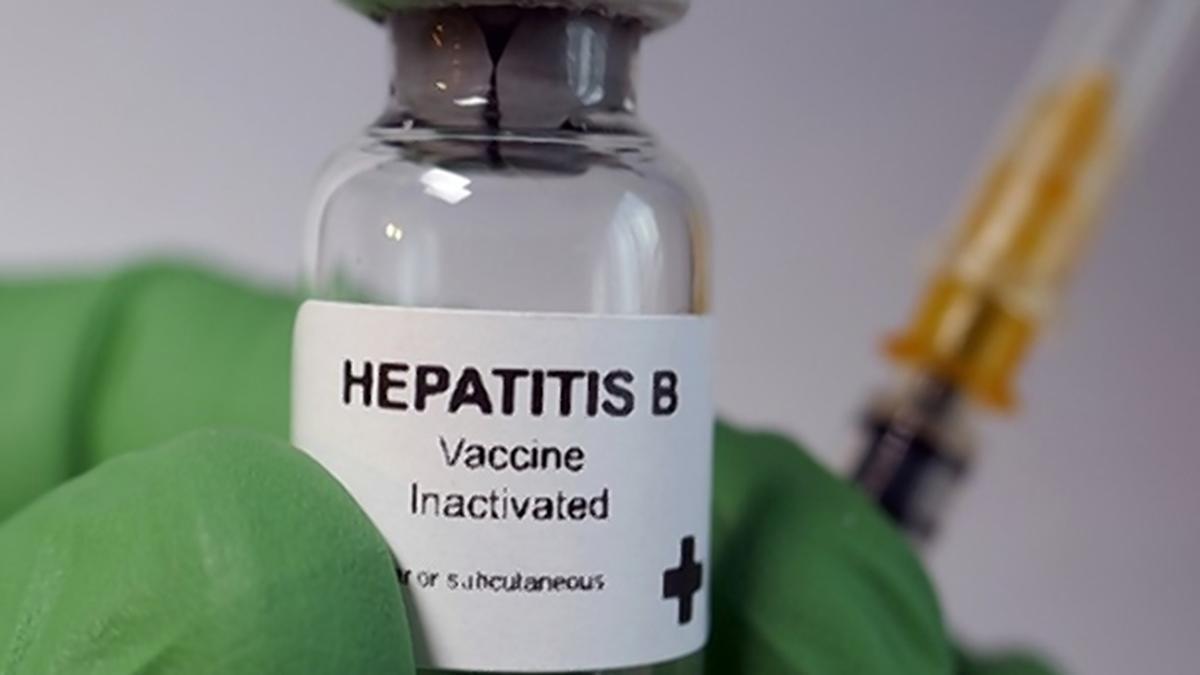
Feeling unwell after taking medicine? Here's how to report it
Take a medicine and start feeling a bit off, and it's easy to assume you're imagining it. Sometimes you're not.

Experiencing adverse effects after taking medication can be alarming. It's natural to think you're imagining the problem when you feel unwell, but these could be known side effects or something more serious called adverse drug reactions (ADRs). ADRs are new, unexpected, or more severe than expected reactions. They can occur when starting a new medication, adjusting the dose, or after discontinuation.
Factors like age, genetics, and pre-existing conditions can influence how our bodies react to drugs. Sometimes, the issue lies in the medication itself, such as defective products or incorrect ingredients. Health professionals categorize ADRs into several types, but two are most significant. Type A reactions are common and result from the medication's normal effects becoming too strong, like blood thinners causing bleeding or painkillers causing drowsiness.
Type B reactions are rarer and harder to predict, including allergic reactions like rashes or breathing difficulties. There are also Type C (slowly developing over months or years), Type D (emerging after stopping the medication), and Type E (occurring when stopping a medication) reactions. Symptoms can range from mild to severe, including headaches, nausea, rashes, and severe allergic reactions.
If you experience unusual, severe, or worsening symptoms, it's crucial to seek medical advice. Mild symptoms might be addressed by checking the patient information leaflet. However, if symptoms persist, worsen, or cause concern, consult a pharmacist or doctor. They can determine whether to continue the medication, adjust the dosage, or try an alternative.
If symptoms are severe, such as difficulty breathing, facial or throat swelling, chest pain, rapid rash spread, or severe dizziness, seek emergency care immediately. Reporting suspected ADRs is vital as they contribute to hospital admissions, particularly among older individuals taking multiple medications. In the UK, the Yellow Card scheme by the Medicines and Healthcare products Regulatory Agency (MHRA) allows anyone to report suspected ADRs, including reactions to prescription medicines, vaccines, herbal products, and homeopathic remedies. Reporting helps identify potential risks and prevents adverse events.
Written by urgent.news from Medical Xpress's reporting — not their text. Machine-written — may contain errors; check the original before relying on it.