eve: agent AI senza “plumbing” (e con una struttura che sta in una cartella)
Canali, connessioni, schedule, skill e tool: la parte noiosa diventa infrastruttura riusabile, mentre tu ti concentri sul comportamento dell’agente. Costruire un agente AI “vero” (quello che lavora in produzione, non una demo in locale) raramente fallisce per il prompt. Fallisce perché prima ancora di rispondere al primo utente bisogna mettere in piedi una quantità di infrastruttura ripetitiva:…
The concept of "eve" revolutionizes the way AI agents are built by abstracting away the repetitive and costly infrastructure known as "scaffolding." This includes tasks such as Slack integrations, external service authentication, secure runtimes, scheduled jobs, crash management, and human-in-the-loop approval processes. Traditionally, each AI agent would require its own version of this scaffolding, leading to duplication of effort team-wide.
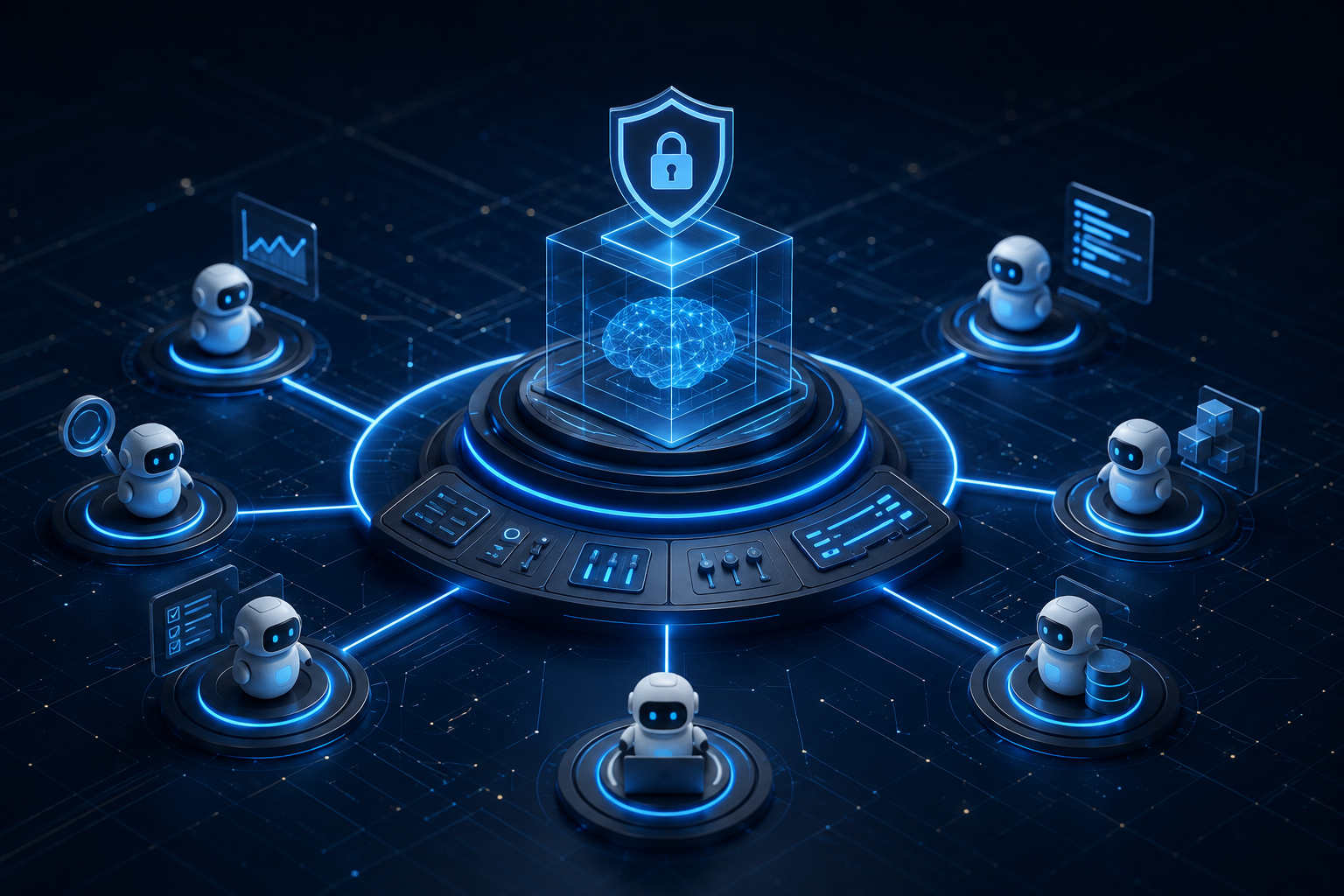
The eve approach simplifies this by providing a standard structure where the scaffolding is already in place. An eve agent is essentially a folder containing five directories: channels, connections, schedules, skills, and tools. This design is particularly appealing for frontend developers and platforms, as it adheres to a "config-as-code" model. This model is readable, versionable, reviewable through pull requests, and clearly delineates responsibility boundaries.
Each directory within the structure serves a specific purpose:
1. The **channels/** directory is where user interactions with the agent occur. Here, you define points of contact. For instance, in a Slack scenario, the integration can be as simple as a single file, eliminating the need for manual token management, signing secret handling, or webhook coding. Extending to new channels (Discord, Teams, Telegram, SMS) follows the same pattern, rather than developing separate projects with different conventions.
2. The **connections/** directory encapsulates integrations and credentials without exposing them in the conversational model. This separation enhances security, as the model does not handle secrets, tokens, or keys directly. It's an architectural detail that reduces the attack surface and improves compliance.
3. The **tools/** directory contains executable code, isolated from the conversational model. These are functions (in languages like TypeScript) for operations like retrieving accounts, calculating credits, or verifying plans. Execution occurs in a sandboxed environment, ensuring clear boundaries and limiting potential harm from malicious input or bugs.
4. The **schedules/** directory handles automations and cron jobs without the need for custom infrastructure. For example, a daily recap can be managed with a simple Markdown file containing a cron expression. Once deployed, it becomes a scheduled job in production, eliminating the need for ad-hoc setup and logging.
5. The **skills/** directory contains policy and procedure instructions that the agent follows based on context. Instead of overwhelming users with lengthy policies in every interaction, skills relevant to the conversation are loaded contextually. This approach reduces token usage, minimizes confusion, and ensures more consistent behavior by activating the correct procedure at the right moment.
A key feature of the eve framework is its integrated human-in-the-loop system, particularly useful for sensitive actions like refunds. When an agent suggests a refund in Slack, for example, it doesn't proceed automatically. Instead, it halts in the conversation, presenting explicit approval or denial options. This "gate" mechanism ensures robust oversight and prevents unauthorized actions.
The structure also emphasizes resilience, with workflow checkpoints at each turn. This means that if a conversation stalls due to timeouts, network errors, delayed approvals, or tool failures, the workflow can resume from the last successful checkpoint. Historical data on triggers, tokens, and costs for each run is also tracked, providing valuable insights for optimizing prompts, skills, and overall product decisions.
This level of observability ensures that AI agents are not just reactive but also proactive in their management.
Written by urgent.news from Dev.to's reporting — not their text. Machine-written — may contain errors; check the original before relying on it.