El Niño, tourism curbs dampen monsoon travel in Malnad Karnataka
Tourists visiting Agumbe, once known for receiving the highest rainfall in Karnataka, complain that there is little or no water in these places
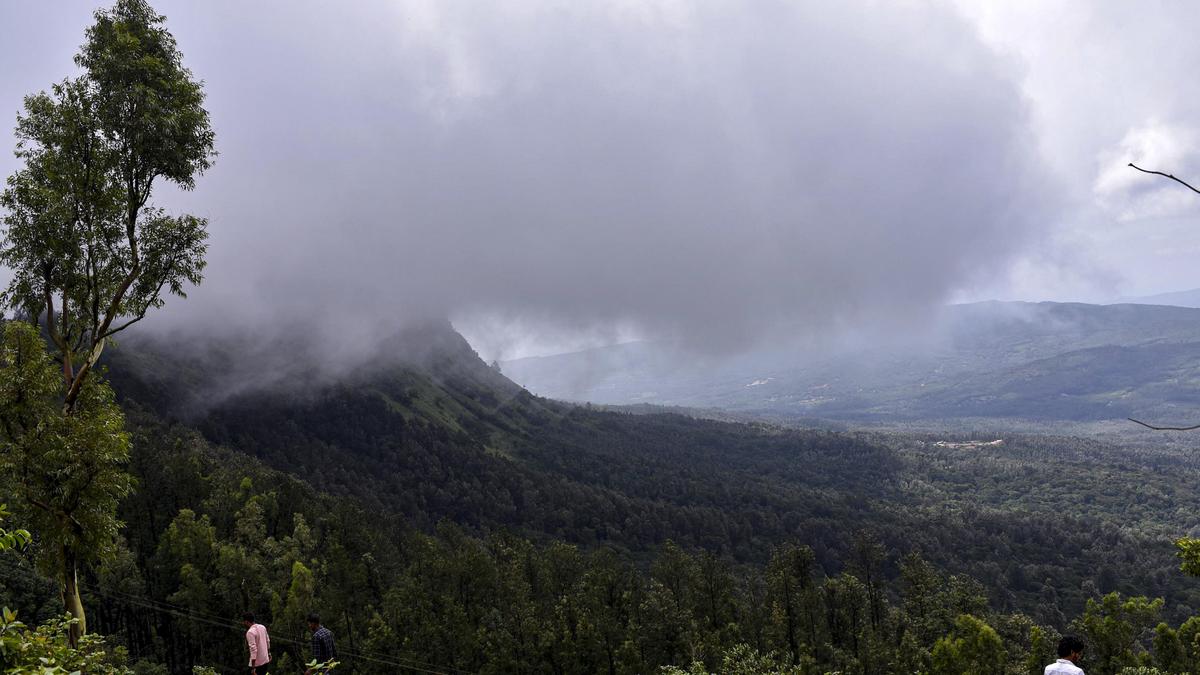
The El Niño effect in June and July, coupled with restrictions and closures by the Forest and Tourism departments, has significantly impacted monsoon tourism in the Malnad region of Karnataka. Homestays and association members across Kodagu, Chikkamagaluru, and Agumbe report a dull monsoon season compared to previous years, with thousands of tourists once flocking to the region for its rains and scenic views.
Ibrahim, a homestay owner in north Kodagu, notes that the rainfall deficit in June and July disappointed tourists, leading many to cut their stays short. He anticipates an increase in visitors once the rains moderate. Farhan, another homestay owner, attributes the impact to both tourists avoiding Kodagu due to landslides fears and the closure of attractions like Raja’s Seat.
Chikkamagaluru's Sarita observes a 60% reduction in rainfall compared to the previous year, resulting in moderate tourist footfall. Despite mist attracting visitors, homestays struggle due to increased commodity prices and worker salaries. Prasanna, a homestay owner in Mudigere, mentions a drastic drop in the IT crowd visiting during weekends and a shift in tourists' preference towards other states with relaxed tourism rules.
In Agumbe, once a top rainfall recipient, Sunil, a homestay member, notes the absence of water in waterfalls and viewpoints due to the lack of rain. He informs guests about the situation, hoping for increased tourism once rainfall resumes. Mallesh Doddamani, a tourist who visited Agumbe, expresses disappointment upon finding little water in the falls.
Written by urgent.news from The Hindu's reporting — not their text. Machine-written — may contain errors; check the original before relying on it.