Could heatwaves make your food shop more expensive?
As temperatures rise, the chillers might not be the only thing supermarkets are adjusting.
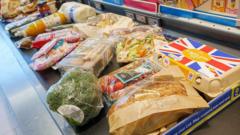
The hot and dry weather of this summer is making things difficult for farmers. It's also making shoppers wonder if heatwaves could lead to higher food prices. As temperatures rise, supermarkets are working harder with their refrigeration to keep food cool and customers are seeing fewer items on shelves on the hottest days. Over half of England is experiencing drought conditions according to the Environment Agency.
The British Retail Consortium warns that extreme weather conditions could force prices up as they create a ripple effect across the supply chain. A supply chain includes various stages, from production to delivery to stores. If costs rise at any point, the final price consumers pay may go up. Farmers and flour producers are adapting to the challenges brought on by the earliest harvest in 50 years while the National Farmers Union warns of potential shortages in certain food products.
While a week of hot weather won't immediately cause prices to rise, Prof Manoj Dora, director of the Centre for Intelligent Supply Chains, believes prices could go up if crop supplies run out. This could be particularly problematic for meat, milk, eggs, and chicken which rely on animal feed. The UK's supply chain is described as resilient, but Dora suggests that long-term solutions may involve reconfiguring supply chain locations and supporting farmers.
Camgrain, a grain storage co-operative in Cambridge, reports that this year's crops have not met their full potential due to drought. Harvest usually begins in early August, but it has already passed this year. Farmers, like David Wheatley, fear that their yields, though still high in quality, will be lower than usual. While consumers might not see immediate price increases, Dora points out that imported goods like French wine could also be affected by the extreme heat.
The British Retail Consortium acknowledges that climate change is creating challenges for both retailers and their suppliers, but they are prepared to source from alternative suppliers to minimize any impact on customers.
Written by urgent.news from BBC Business's reporting — not their text. Machine-written — may contain errors; check the original before relying on it.