'Art Cure' book analyses the healing powers of the arts
An exploration of scientific studies on art and health, short-listed for the Women’s Prize for Non-Fiction
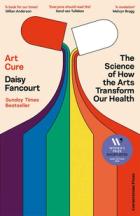
In "Art Cure," Daisy Fancourt delves into the potential health benefits of engaging with the arts, expanding on the growing body of research that suggests art is a key component in maintaining overall wellbeing. Fancourt, who leads the World Health Organisation (WHO)’s Collaborating Centre on Arts and Health, explores the wide range of creative activities, from painting to baking, that can enhance both mental and physical health, even potentially increasing longevity.
Fancourt's concept of art is broad, encompassing various forms of creativity, including activities that many might not traditionally associate with art. She emphasizes that everyone is creative, and that engaging in artistic endeavors can provide a sense of accomplishment and calm, much like the painting experience she describes as offering her a lifeline during a period of recovery from severe brain swelling.
The benefits of art are backed by a variety of scientific disciplines, including neuroscience, epidemiology, psychology, immunology, and behavioural science. Fancourt's writing is characterized by its clarity in explaining complex concepts, making the material accessible to a broad audience. She cites studies that followed individuals over time, some of which initially appeared unrelated to arts, but were later found to include questions about cultural consumption and art engagement.
Personal anecdotes serve as powerful illustrations of the positive impact of art on individuals' lives. For example, Debs, who had struggled with debilitating mental illness and even attempted suicide through a pill overdose, found redemption and a new sense of purpose through art lessons. Similarly, Russell Haines, who was prescribed eight weeks of fine art classes after failing conventional medical treatments, not only transformed his life but also became a proponent of arts-on-prescription programs, stating that they "saved my life."
Fancourt acknowledges that art is not a cure-all, but she underscores its role as a valuable tool that works alongside other health-promoting practices such as diet, sleep, exercise, and nature. She suggests that while art may not be as visually captivating as viewing it in person, merely watching artworks for brief periods can also offer benefits.
Moreover, she recognizes the challenges faced by artists and cultural workers, including budget cuts, inequality, and high levels of depression and anxiety, which can undermine the accessibility and effectiveness of art as a health intervention.
Despite these challenges, Fancourt advocates for a health-centric approach to art, suggesting that increased government awareness of art's potential benefits is shifting the focus from treatment to prevention. The Tefaf Summit, for instance, explores how art beyond economics can play a role in public policy and cultural rethinking. The exploration of the connections between art and scientific observation serves to highlight art's moral purpose, further emphasizing its value in enhancing society's wellbeing.
In summary, "Art Cure" presents a compelling case for the therapeutic potential of the arts, demonstrating that engaging with artistic activities can have profound effects on an individual's health. Fancourt concludes that the relationship between engaging with art and experiencing its benefits is fundamental, suggesting that the importance lies not in why people engage with art, but in the fact that they do so at all.
Written by urgent.news from The Art Newspaper's reporting — not their text. Machine-written — may contain errors; check the original before relying on it.